
Guatemala and the Divinity of Stewardship
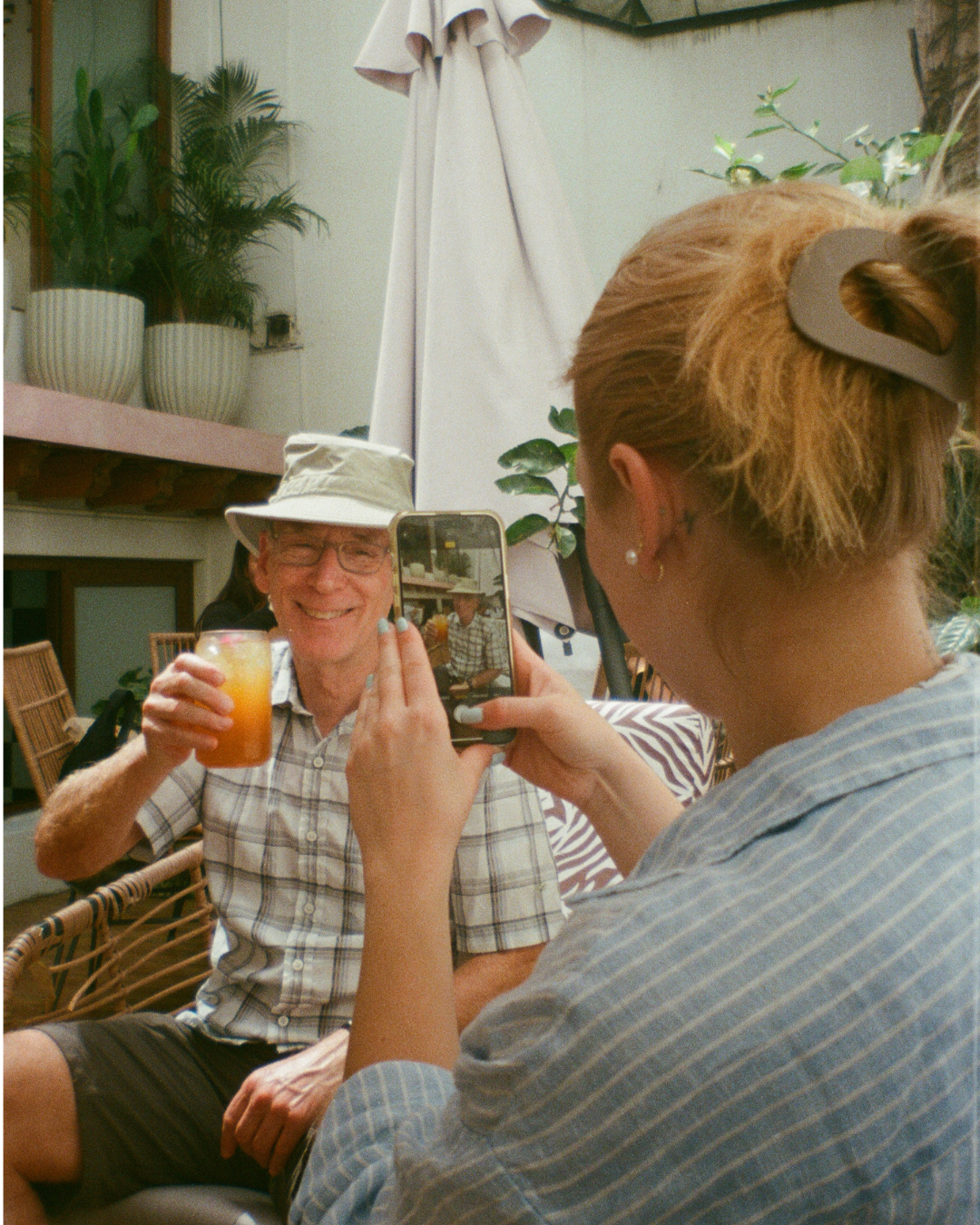
A year ago, I had the opportunity to visit Guatemala with my uncle Pat, volunteering with International Esperanza Project.
The peaceful, laborious, joyful week cracked my heart open in a way that was so profound, I am just now feeling able to share about it.
And (truthfully) I've taken my time because philanthropy like this feels tricky to write about without falling into harmful (and straight-up annoying) expressions like virtue signaling, exoticizing people from a different culture, or fetishizing poverty.
Plus, my take away is a bit of a zinger.
But I'm going to get over myself, do my best to honor all, and let the message I know to be pure come through—because it is far too sweet and powerful to keep sitting on.
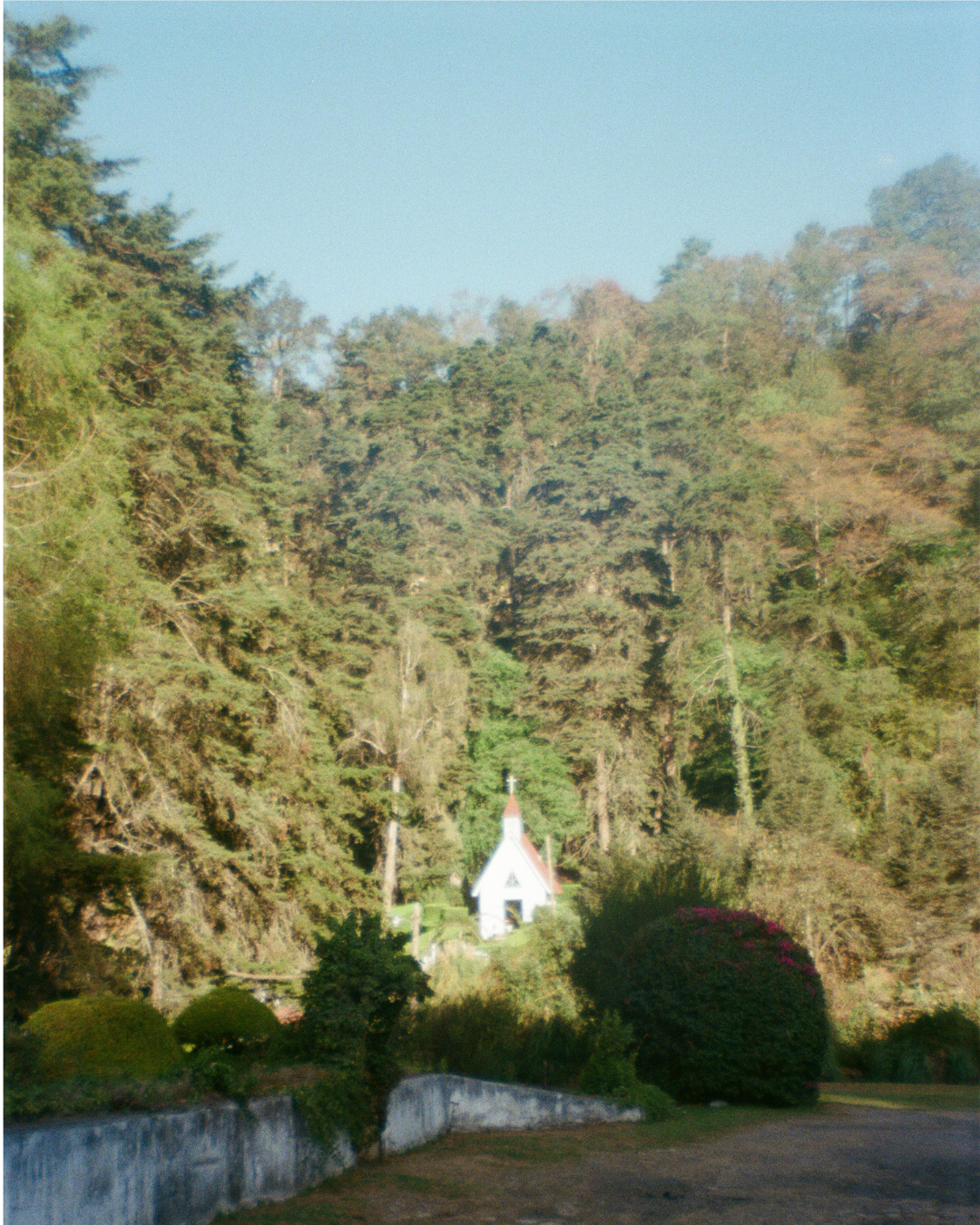
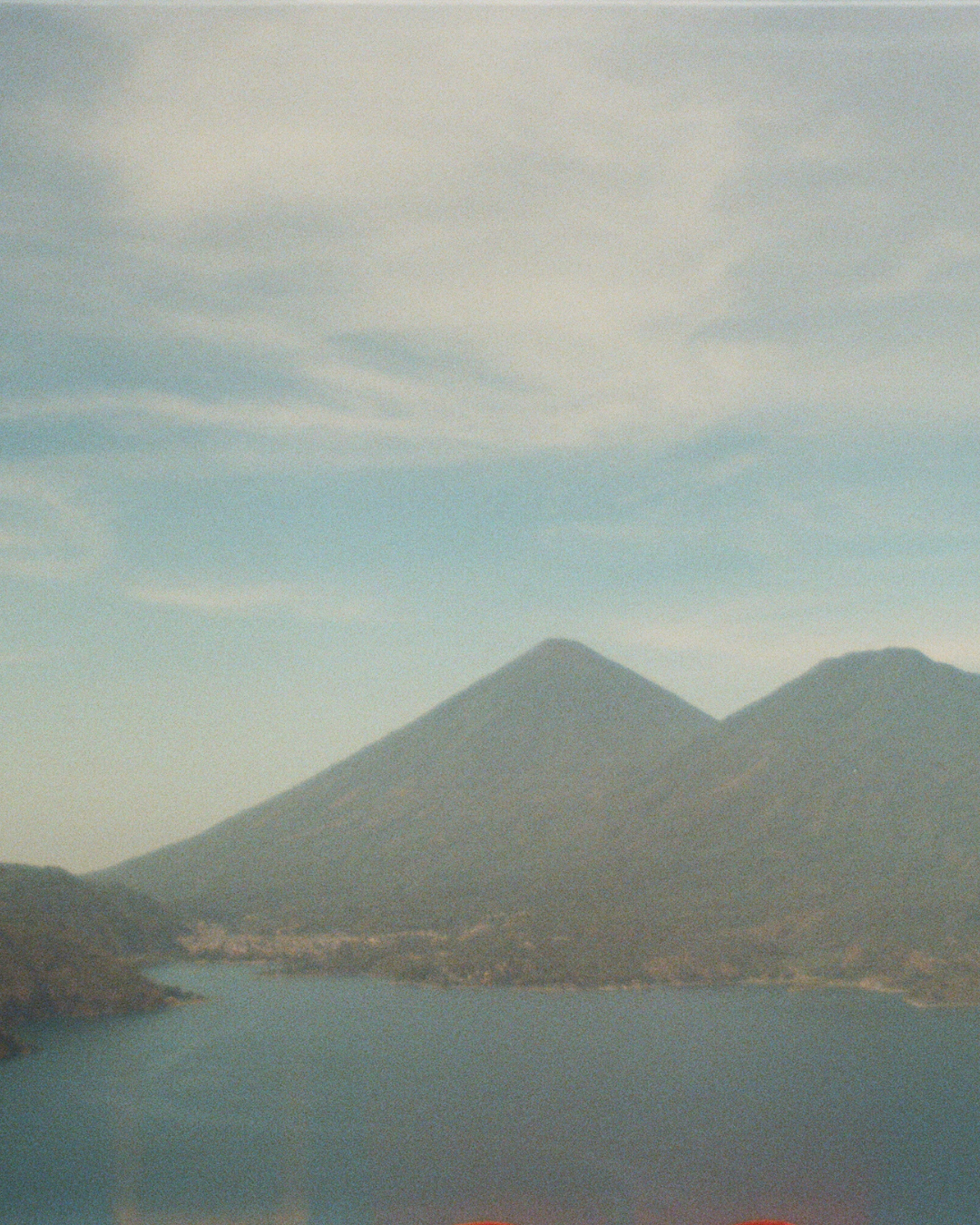
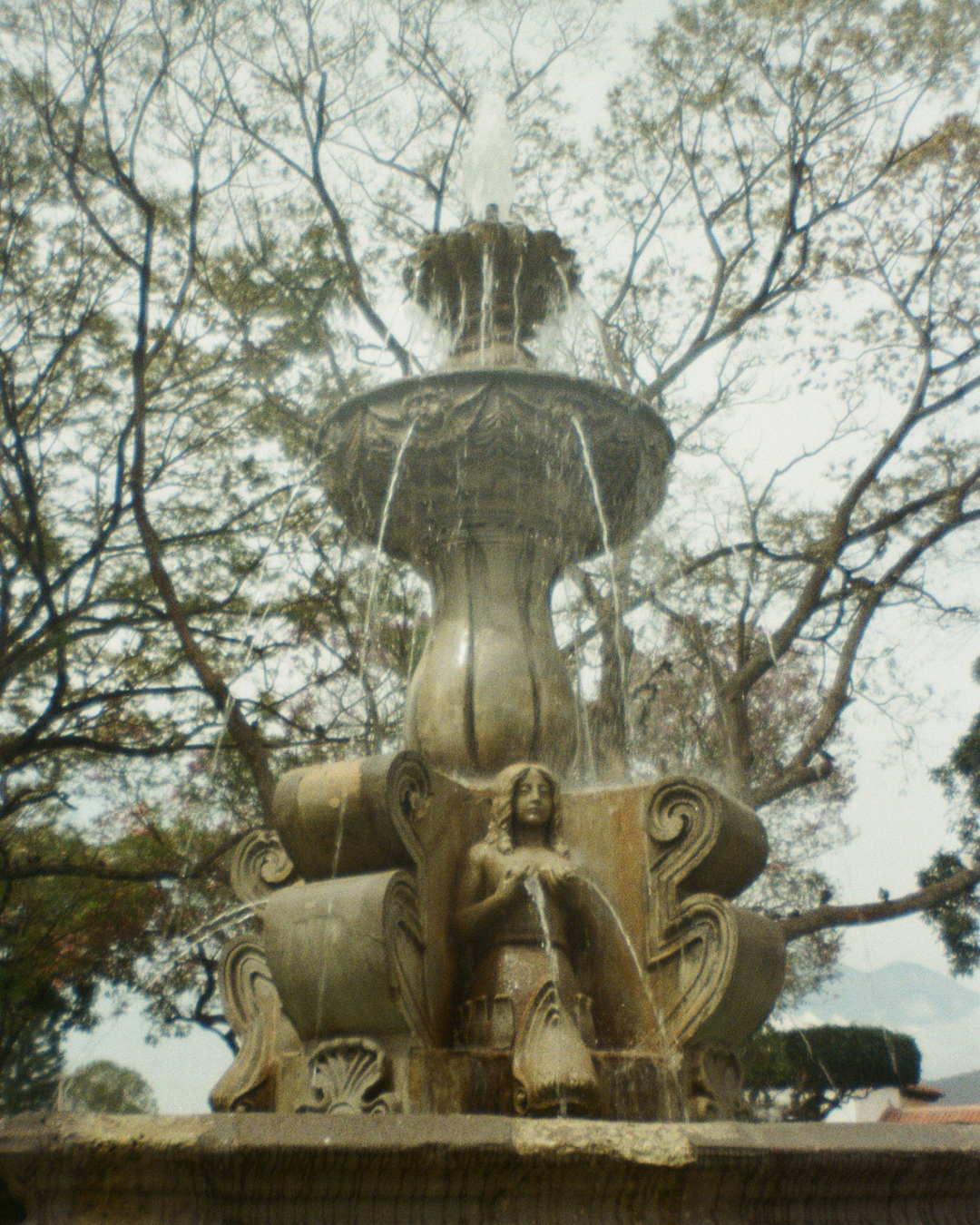
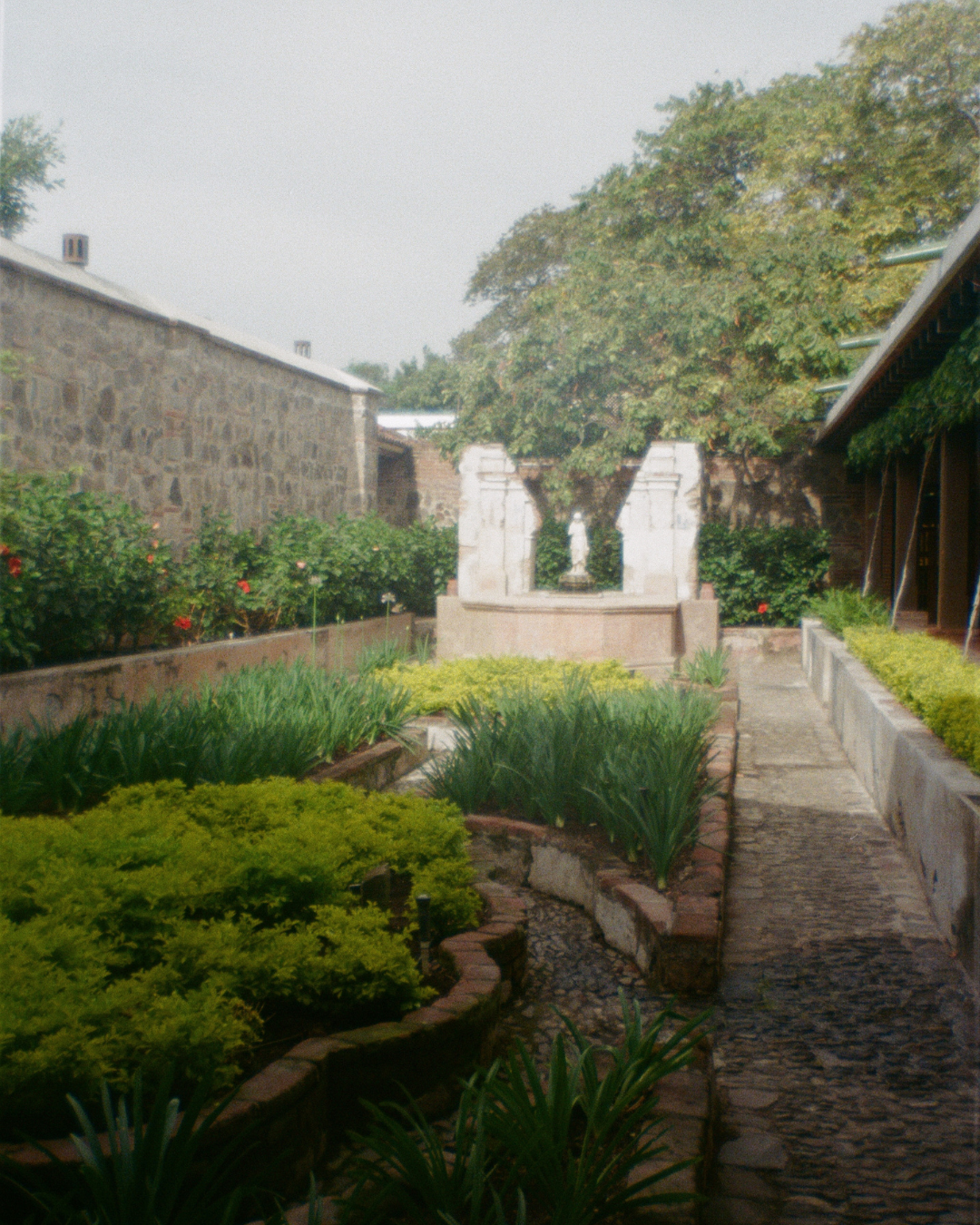
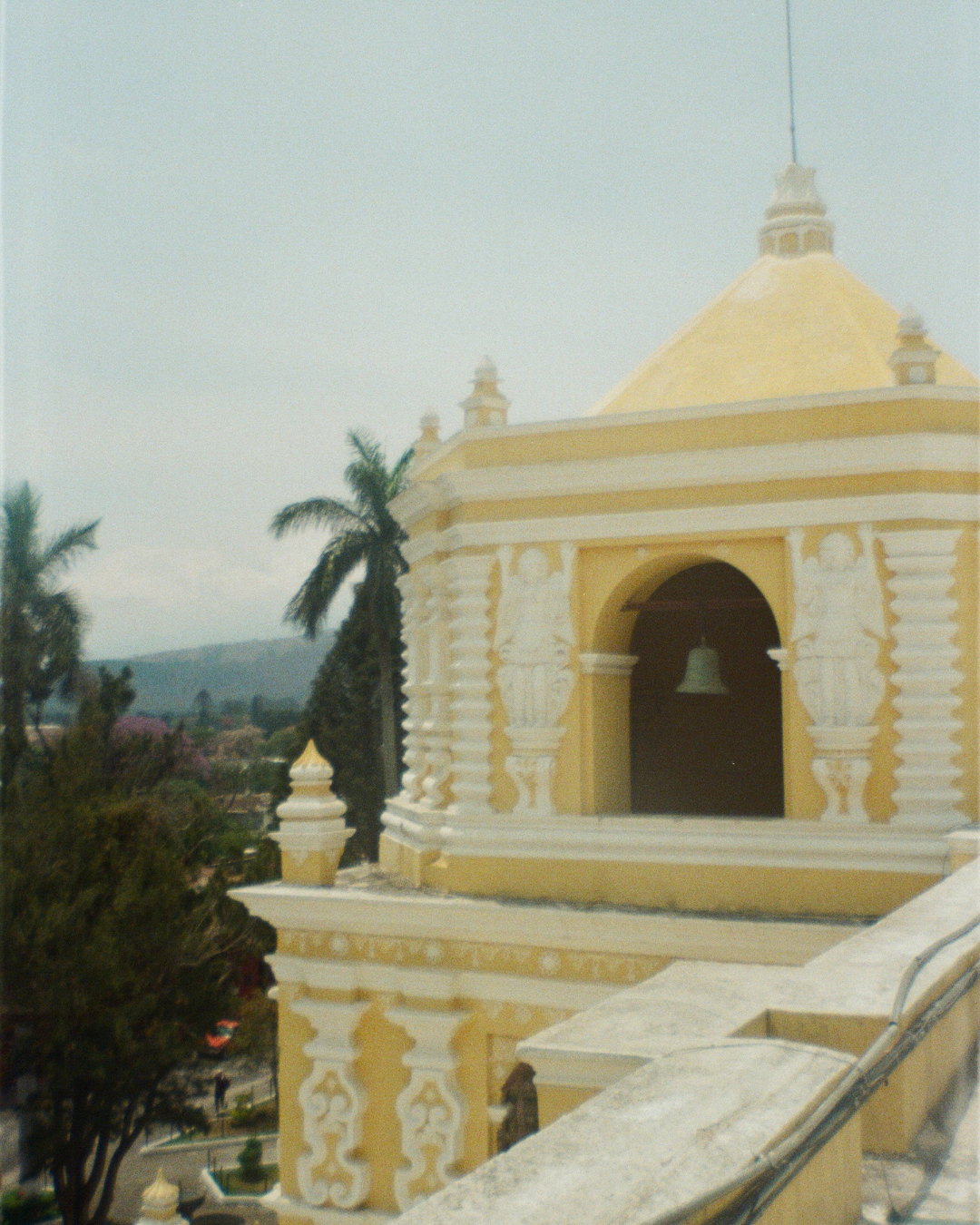
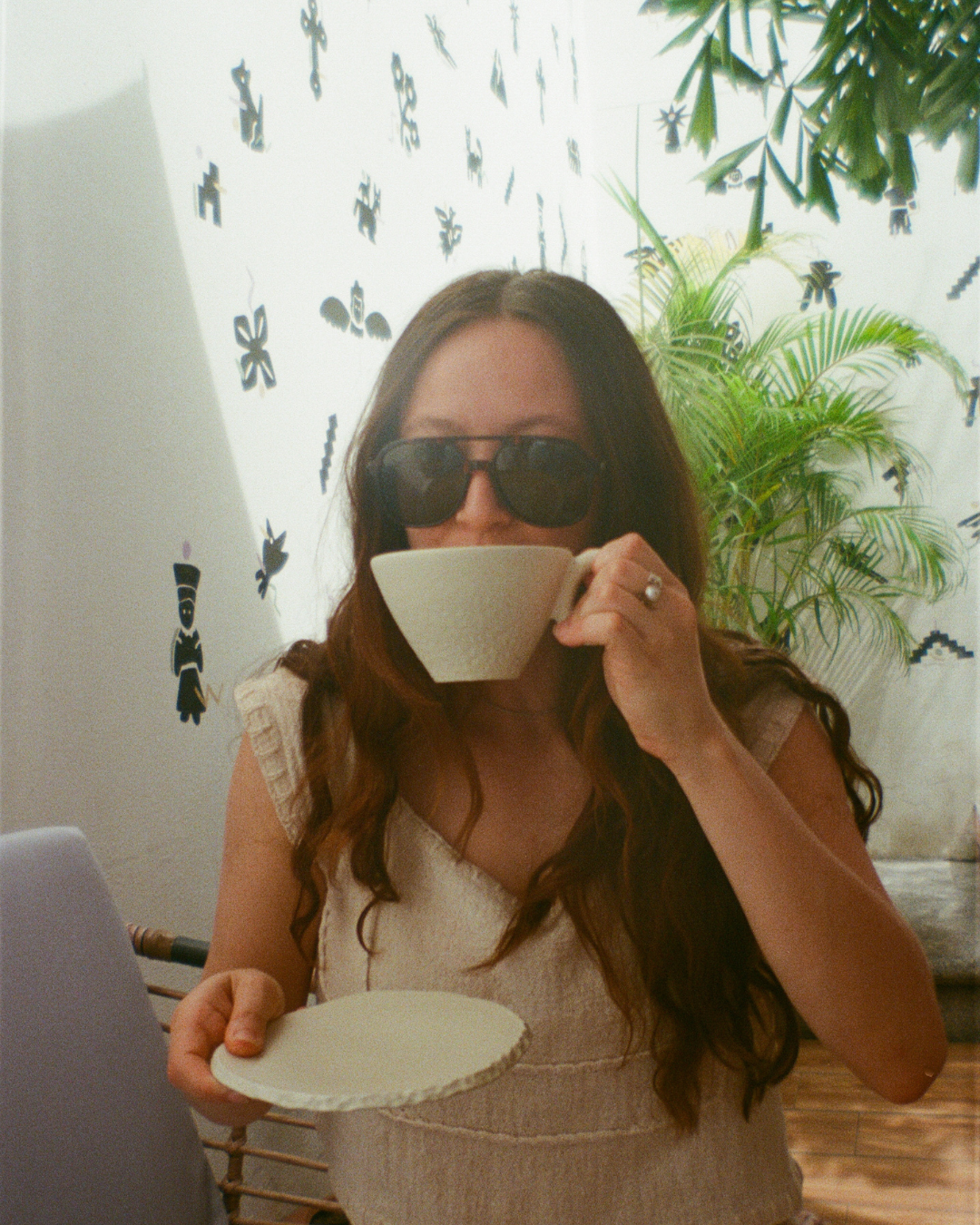
Photos are shot on 35mm film, on my plastic toy camera. Half of the roll got damaged from light exposure, but it created it's own kind of magic. Enjoy!
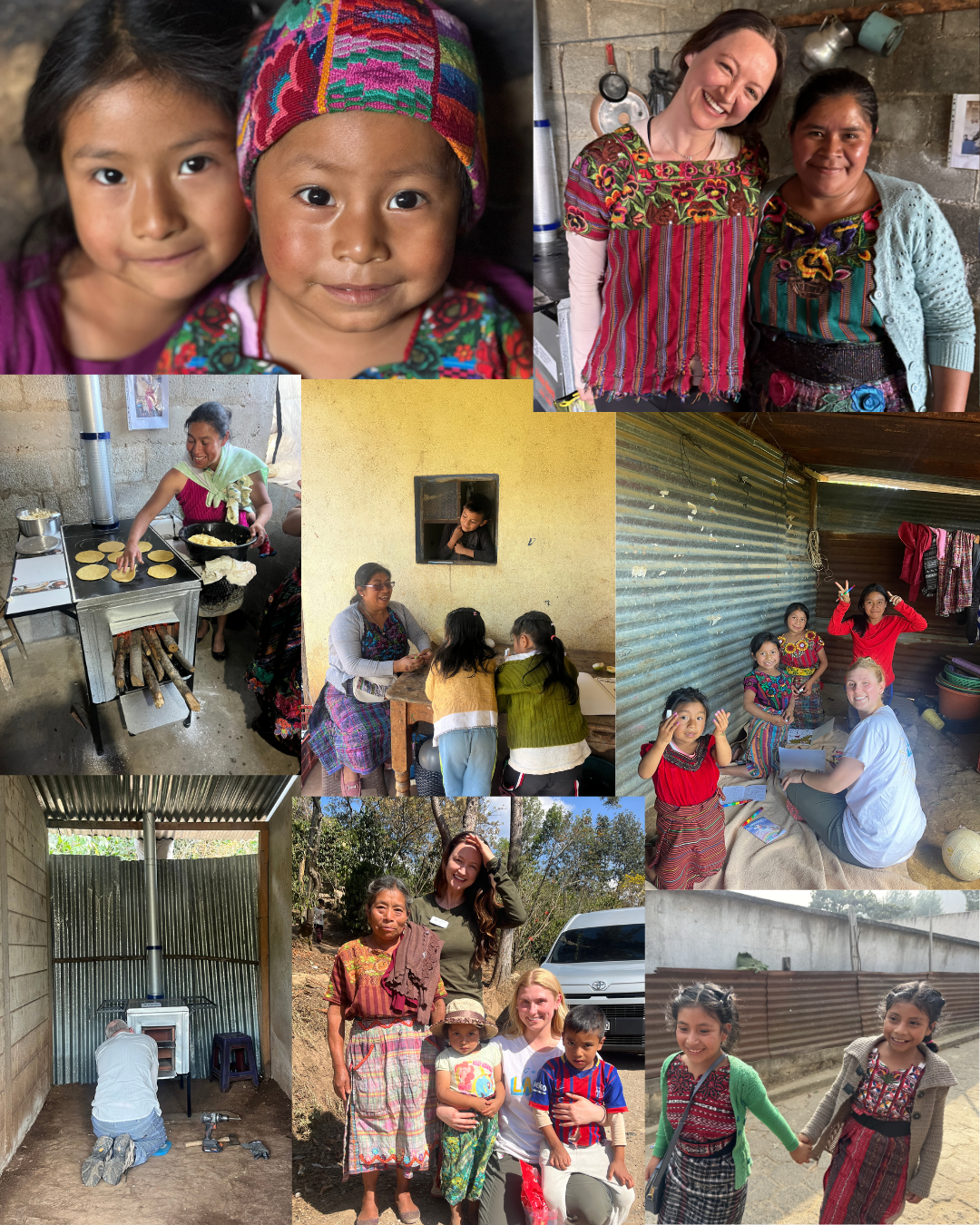
Our group of volunteers, ranging from ages 23 to 83, spent the week installing stoves and water filters for families in the rural region of Tecpán.
Each morning, we climbed into a couple of vans that wove through rolling green mountains, and small towns that buzzed with vibrantly dressed people. It wasn't uncommon to see women walking long stretches along the road with water jugs balanced on their head or firewood on their back.
Many of the families we served were sustenance farmers. Some grew additional delights for export: coffee, avocados, blackberries, flowers.
Each village greeted us with incredible warmth: offering dances, songs, flowers, baskets of fruit, and handmade gifts. The ability to have safe drinking water in the home and efficient stoves would cut hours of labor out of their day. They made sure we felt their gratitude.
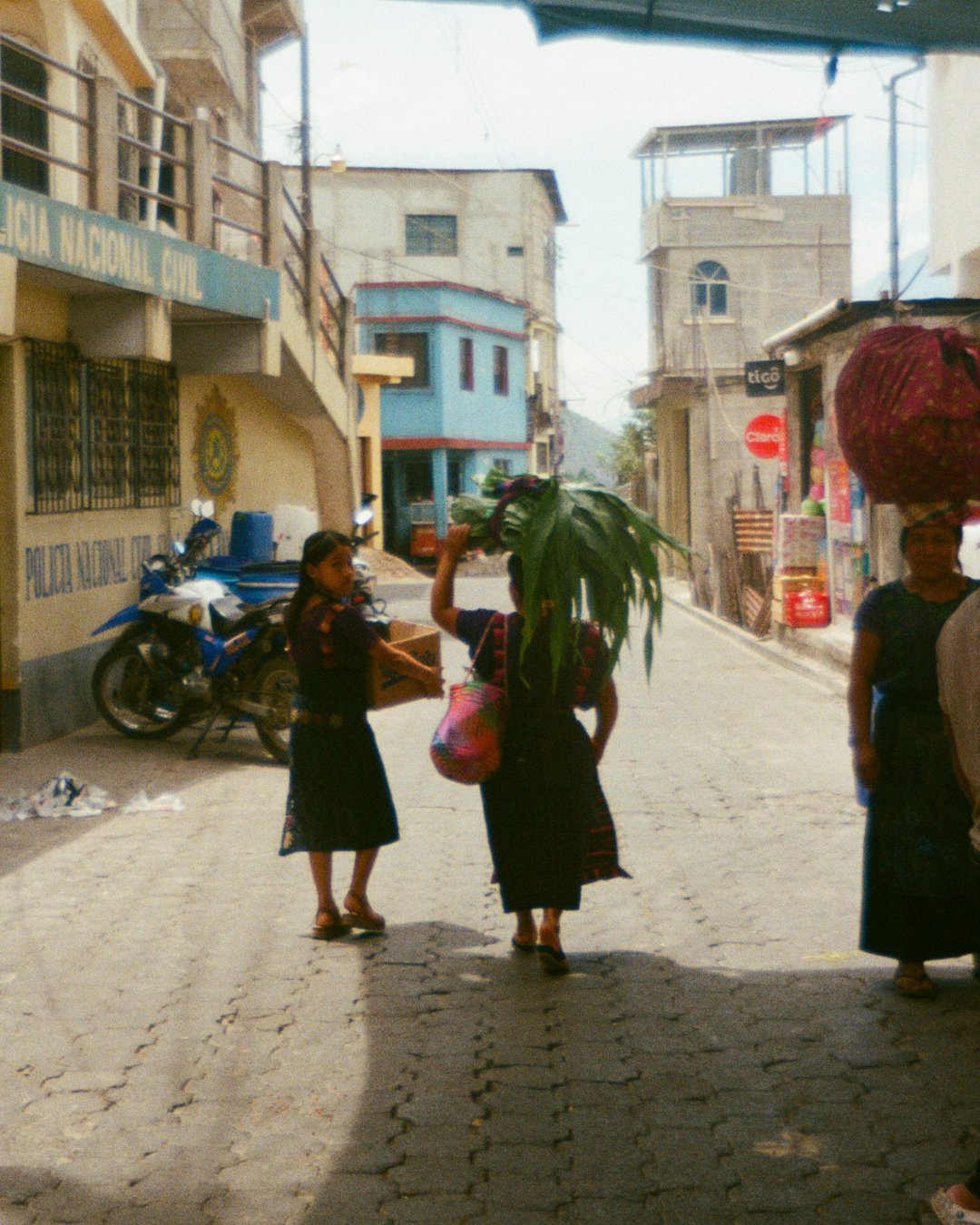
The differences from American life were obvious. Externally, resources were scarce.
Dirt floors were common. Many drank Coke instead of water because it was cheaper. Small beds were shared by many. Comfort, as we define it, was limited.
But in the heart, in the art, in the way people moved through their days—I felt a kind of wealth I rarely experience at home.
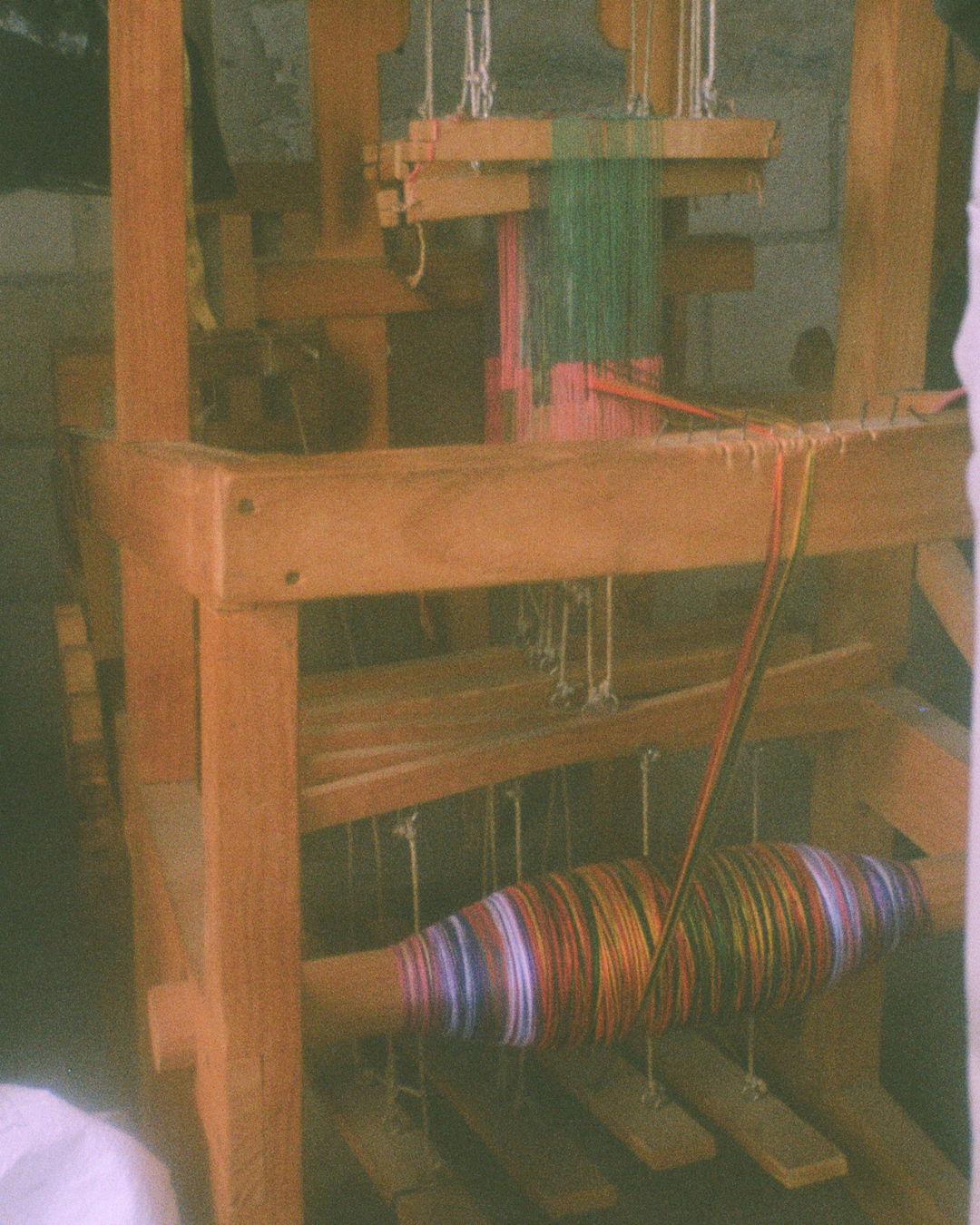
Each person was deeply present. Comfortable in their roles within family and community; oriented toward contribution. The mothers' and grandmothers' hands stayed busy: patting tortillas between their palms, rocking fussy babies, or stitching flowers into blouses they'd been working on for weeks. The men moved with humility and reverence.
The children were remarkably warm and open. A relaxed sense of joy was their baseline. It was easy to see they had no deficiency in love.
I could list a thousand small, sweet moments, but what stayed with me was the feeling of being among people who didn't question whether or not they belonged, or whether or not they were good enough.
In the U.S., we have extraordinary material comfort—and extraordinary internal discomfort.
To be with people who, materially, had so little, yet were fundamentally oriented toward how they could serve their families and communities was radically different from the culture I find myself steeped in…
…a culture where so much mental energy goes toward questions often invisible to asker:
How can I improve myself and my circumstances? How can I optimize my life? How can I be more productive, more popular, more attractive, more successful? What do I have to do to be the best?
This isn't a judgment from the outside. These are the questions my own mind has subconsciously obsessed over. It's how we were taught to think about ourselves in relation to the world.
These are wonderful questions to ask in moments. I value growth mindset and self-care deeply. But this note of self-obsession is taking over the whole song.
Somewhere along the way, our attention got hijacked. We became focused on perfecting our small worlds—our routines, our aesthetics, our finances, our physical and mental space—while losing touch with what's alive all around us.
It's more than just obsessively climbing social ladders, grasping for an extra zero to add onto one's income, or insisting on becoming the hottest person in any room.
I couldn't unsee the way even personal development can turn into a closed-loop echo chamber. Past a certain point, meditation becomes navel-gazing and self-care becomes selfish.
Personal growth tactics (whether materially or internally focused) have become convenient ways for us to disconnect from the outside world in the name of bettering oneself; avoidance and self-centeredness disguised as “healing”.
It took more than a month to feel settled after I returned from Guatemala. I kept telling friends, “I'm still trying to get back into my rhythm.”
Eventually, I realized I wasn't meant to return to my old rhythm. A new one was emerging.
The urgent drive to self-optimize my tiny little world was replaced with simple awe at how good things already were.
This shift in perspective freed up swaths of time and energy to answer the question that underpinned that new rhythm:
How can I take care of what I love?
Not only did it feel good to tire myself out day after day, doing physical labor for these Guatemalan families who deserve every blessing, I was also inspired by their posture of stewardship.
I learned that stewardship isn't self-erasure or martyrdom.
It's the remembering that your life, your creativity, your attention are meant to be shared in relationship; with people, with place, and with the planet.
As a creative human, dear reader, stewardship calls you to:
Bring your gifts forward with integrity
Protect what you love.
Let your expression nourish something beyond yourself.
Stay connected to this planet and its inhabitants that we are lucky to call neighbors.
We are only here on Earth for a brief moment.
We didn't come here to stay polished and protected.
We came here to be touched, shaped, humbled, and changed by what we encounter.
This requires emerging from the closed loop of perfecting one's own little world.
You don't need to be perfect or fixed or healed or financially free to go out and meet the world.
You can be flawed and help others.
You can be not as far along in your career as you wish and help others.
You can be stuck in your head and help others.
You can have a pimple on your nose, a soft belly, and lines between your brows and still give your heart to the world.
This is an invitation to step off the merry-go-round of self-improvement, and into stewardship.
I believe we are here to be a gift to life. Just as life offers gifts to us.
There is something precious in your heart. (Read that one more time, but really feel it this time).
And if we can lift our gaze up, beyond the bounds of ourselves, we can let life move through us.
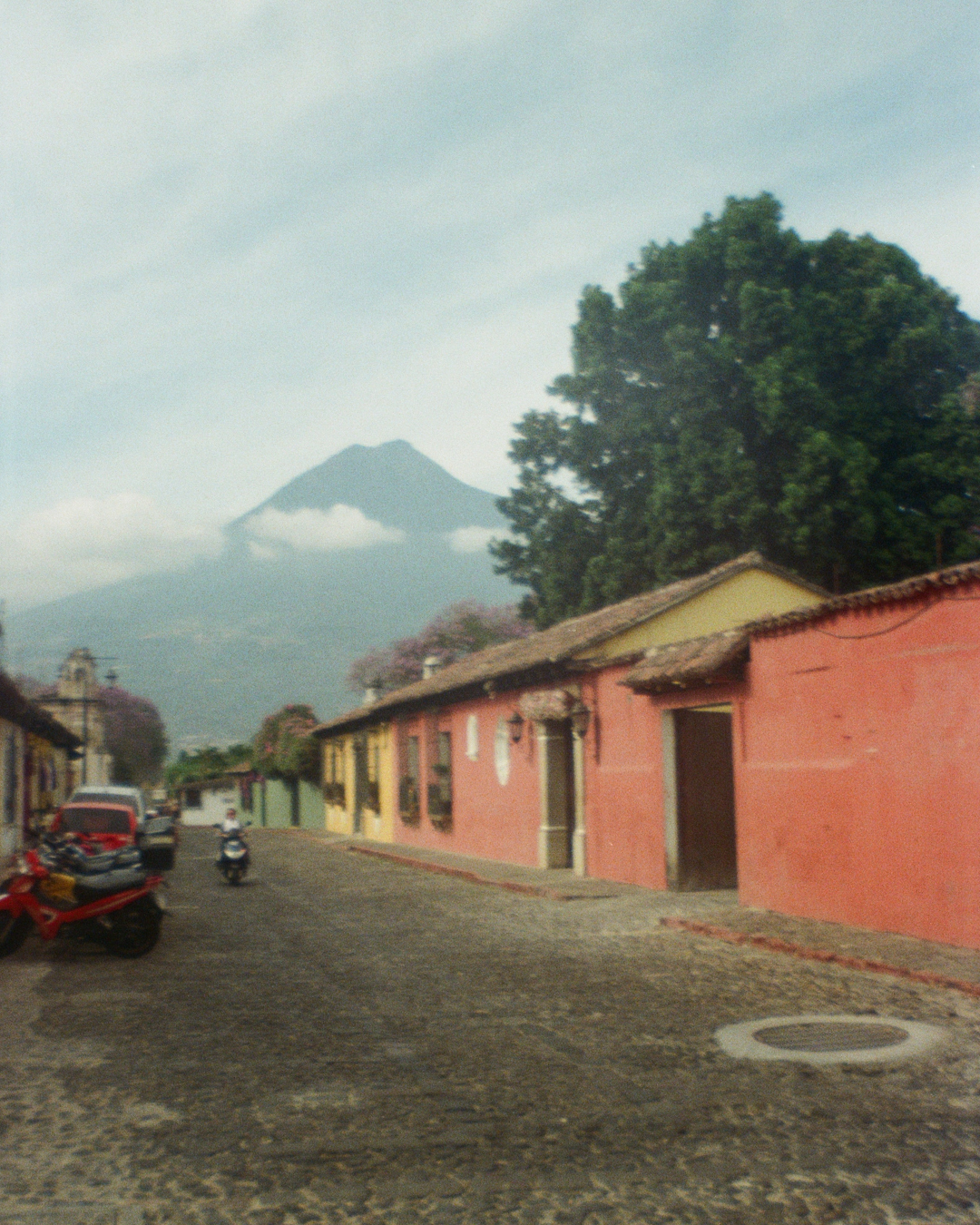
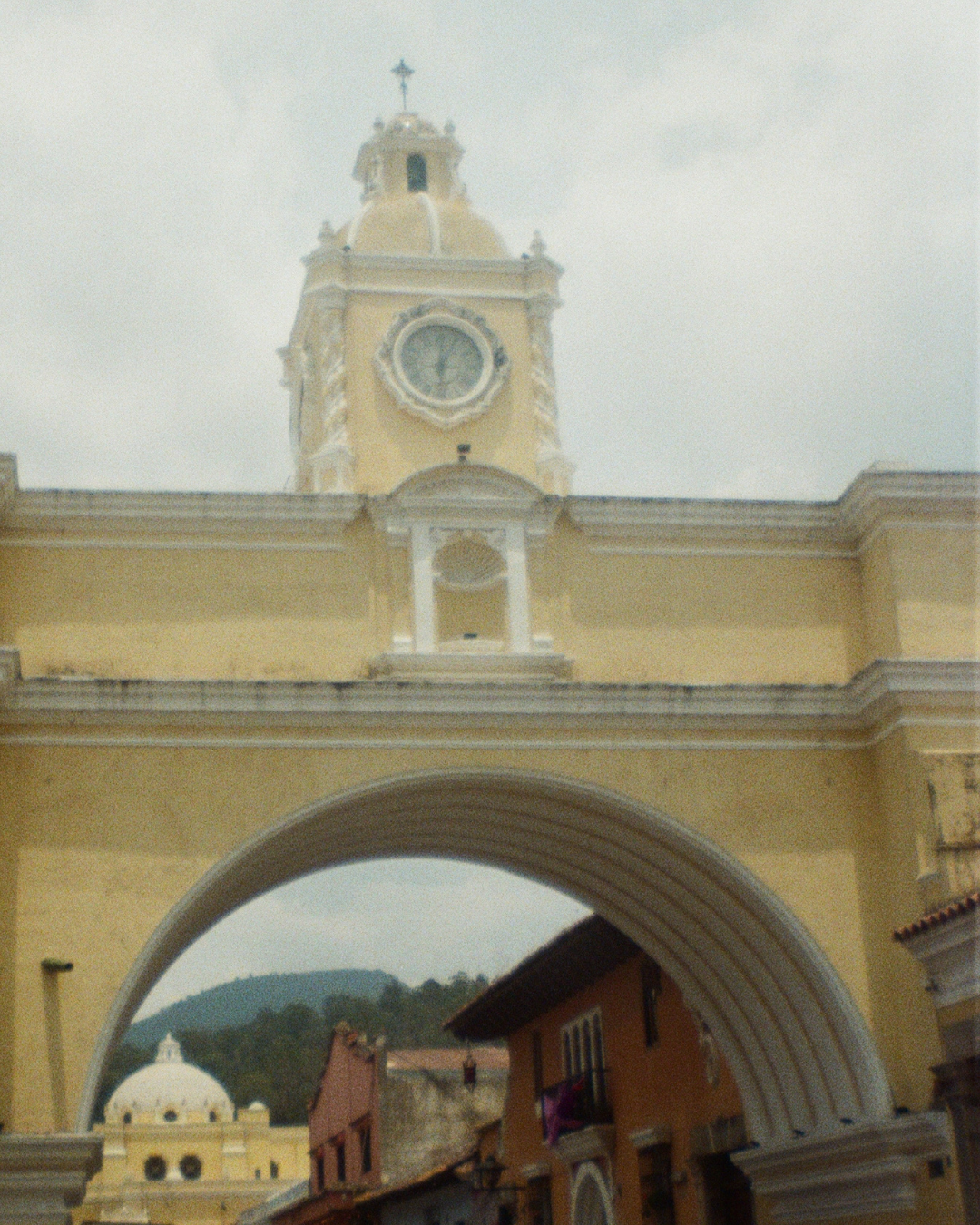
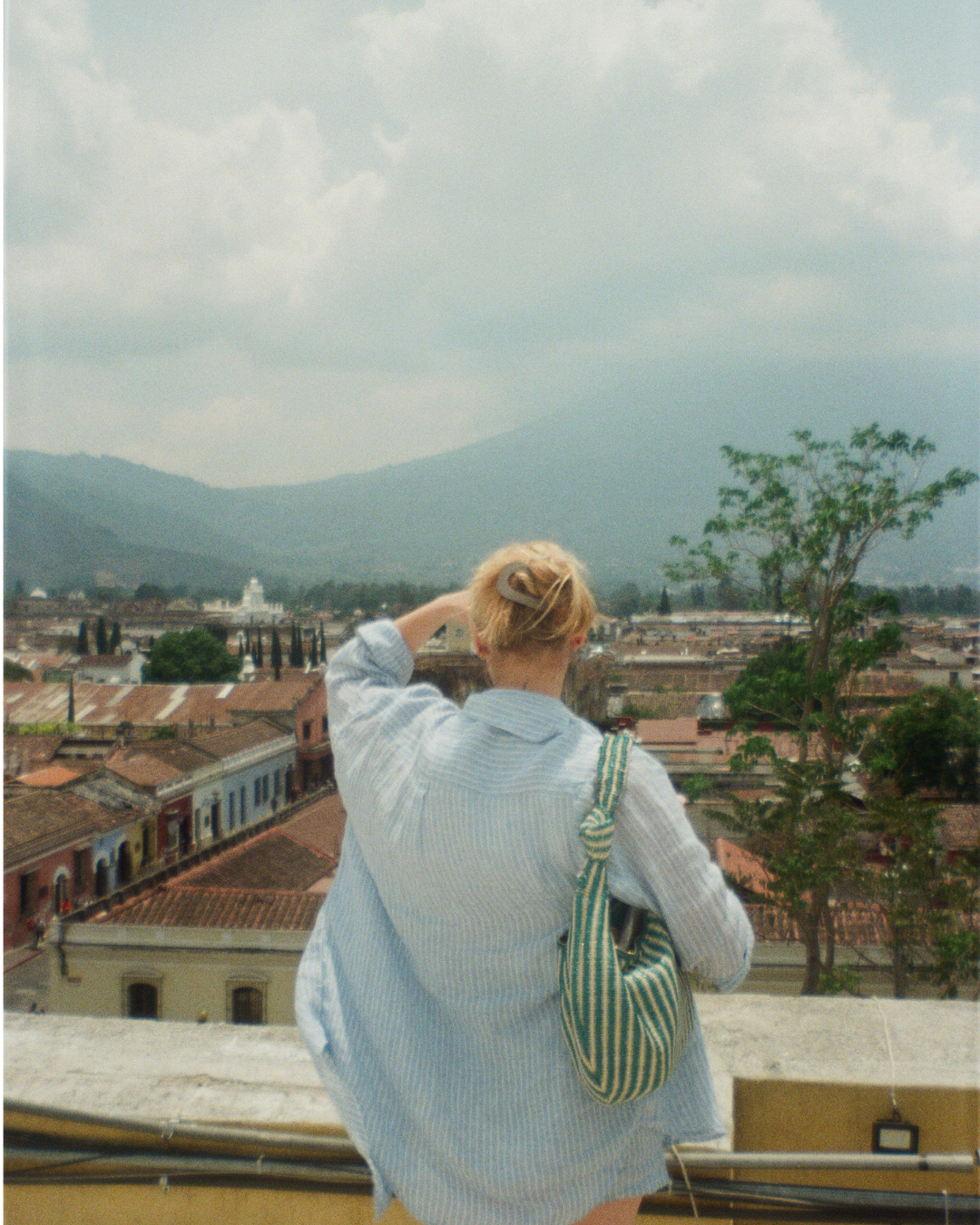
Travel Diaries: Quick stop in the charming, highly-volcanic town of Antigua on the way home.
P.S. Learn more about International Esperanza Project and donate to their efforts to strengthen communities in Latin America from the inside, out through creating lasting improvements to homes, healthcare, and education.
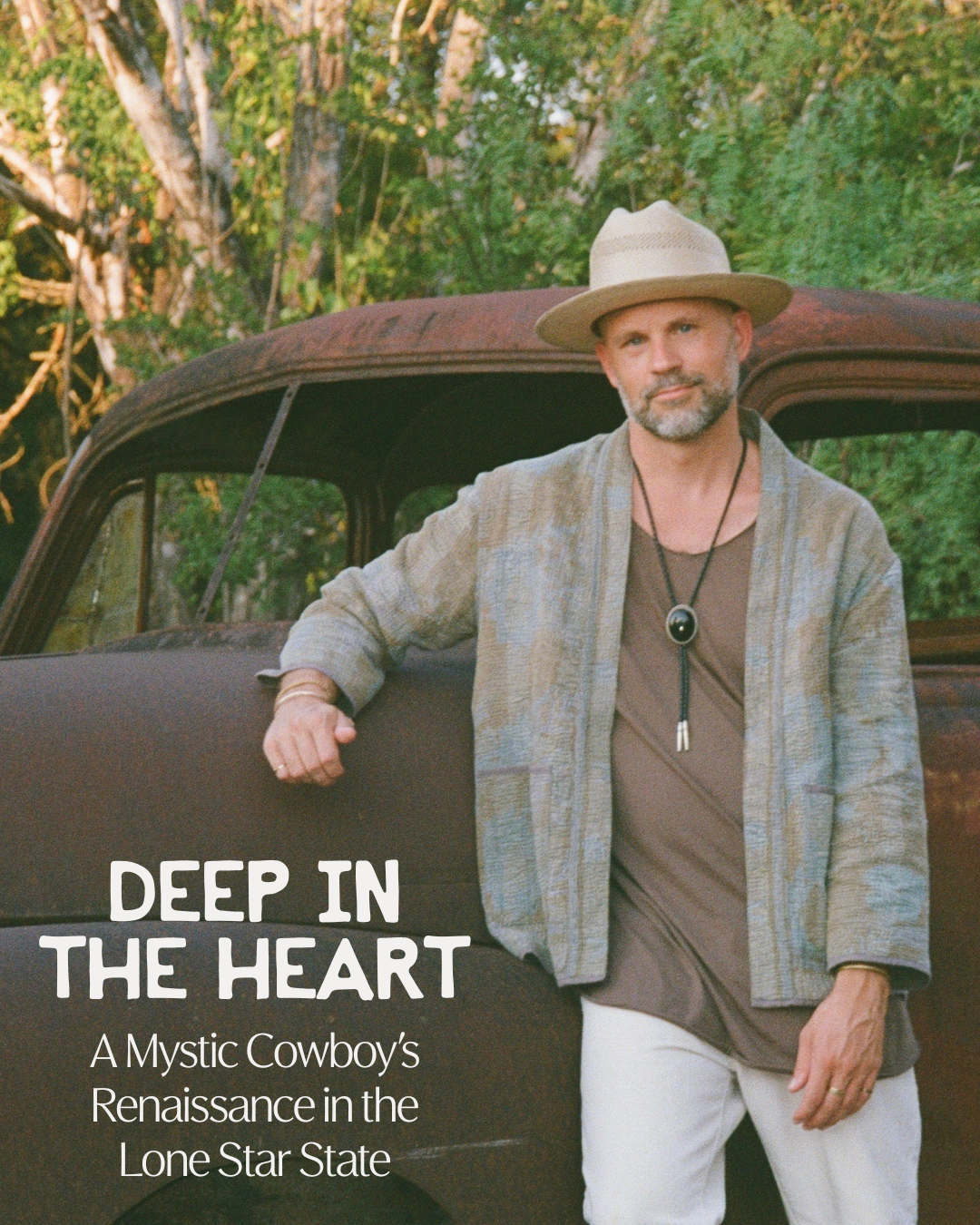
Deep In the Heart: Jame’s McCrae
I was commissioned by my wonderful friend James McCrae to photograph him on film in some of Austin's most beloved honky-tonks and dives.
James is the author of several titles, including The Art of You, and the beloved voice behind many-a-viral memes and poems shared on his Instagram account, @wordsarevibrations.
Deemed “The Eckhart Tolle of the Internet Generation” by The Huffington Post, James' art brings a blend of levity and acknowledgement to the woes and wonders of the modern spiritual experience…and often points to art-making as a path forward.
It was James' migration to Texas that gave way to creative exaltation—a return to the sovereign part of the self that doesn't wait for permission.
Below, I'll share a selection of the photos we captured, paired with a conversation about finding home, creative freedom, and the wild honesty that lives just beneath the surface; the kind that emerges when one finds the courage to live unarmored.
Following in the footsteps of Willie Nelson, George Strait, and Dolly Parton, James and I stepped into the shade of Austin's own Broken Spoke on a warm afternoon.
I grew up in places like this, where the glow of neon signs reveals a layer of dust on the pool table; where jukeboxes defy extinction, and the bartender calls me, “Sweetheart”. Texas, this home of mine, became a home found for poet James McCrae.
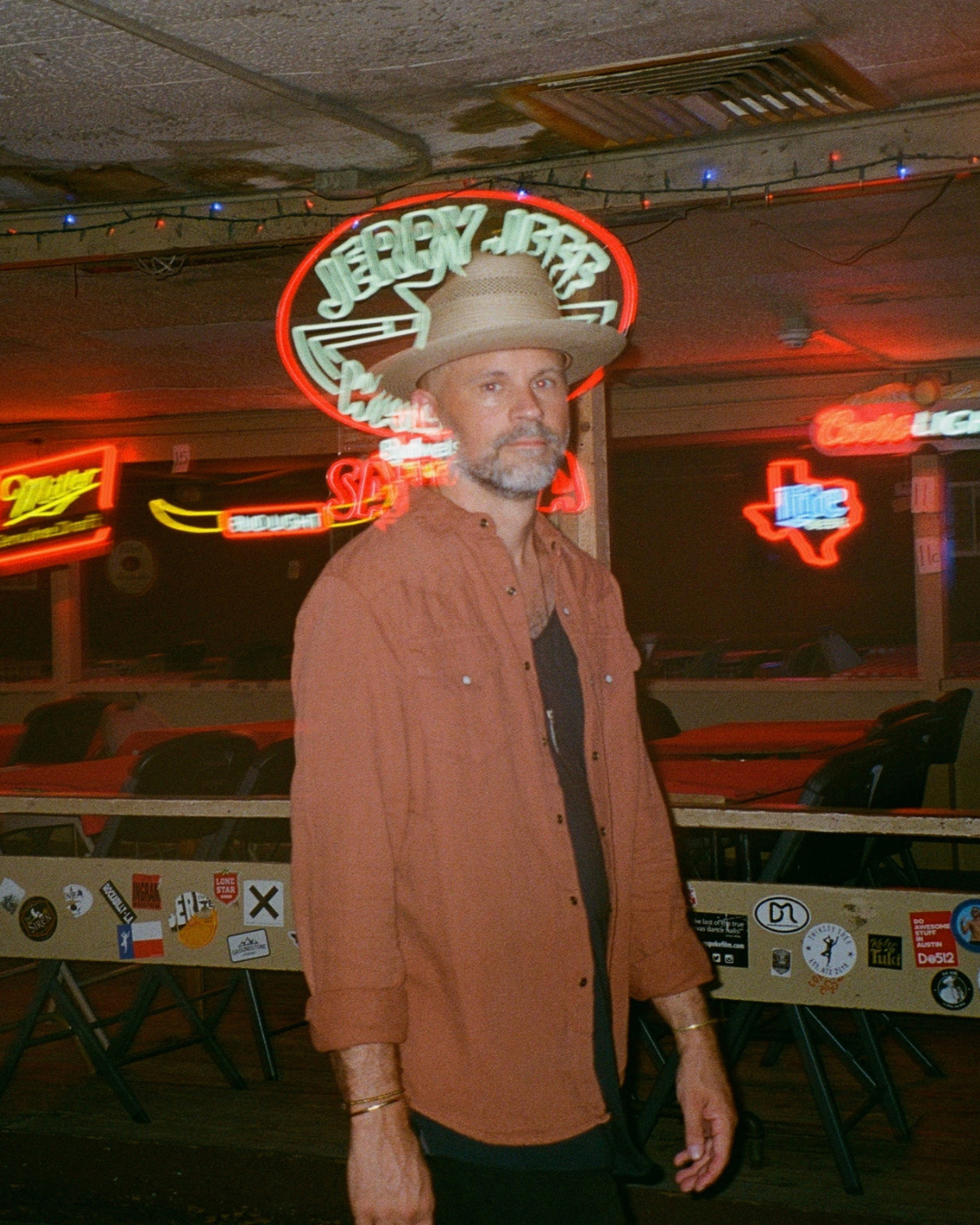
“As soon as my wife and I drove our car full of bags and boxes out of LA, I began to feel not only relief, but inspiration,” he told me over a Budweiser. The creative flood gates opened wider and wider with each mile they drove on Interstate 10. “I started making memes the day I arrived.” It's as if crossing the state line opened a door that had been waiting inside of him for years.
“As we settled into Austin, I just felt welcome here to show up as I am,” he said. “As a result, I started writing the weird, controversial things that felt true.” The memes became bolder, the poetry riskier, the voice edgier as James started speaking from the soul rather than the surface. The messages that poured through came from something bigger than his personal identity.
In his poetry and memes, James has his finger on the pulse of the collective, writing about creativity, authenticity, and the modern spiritual experience. As he began sharing online, his art magnetized waves of people who had been silently feeling the same things and asking the same questions. Views, shares, and followers skyrocketed.
Feeling accepted gives way to creative velocity, like that.
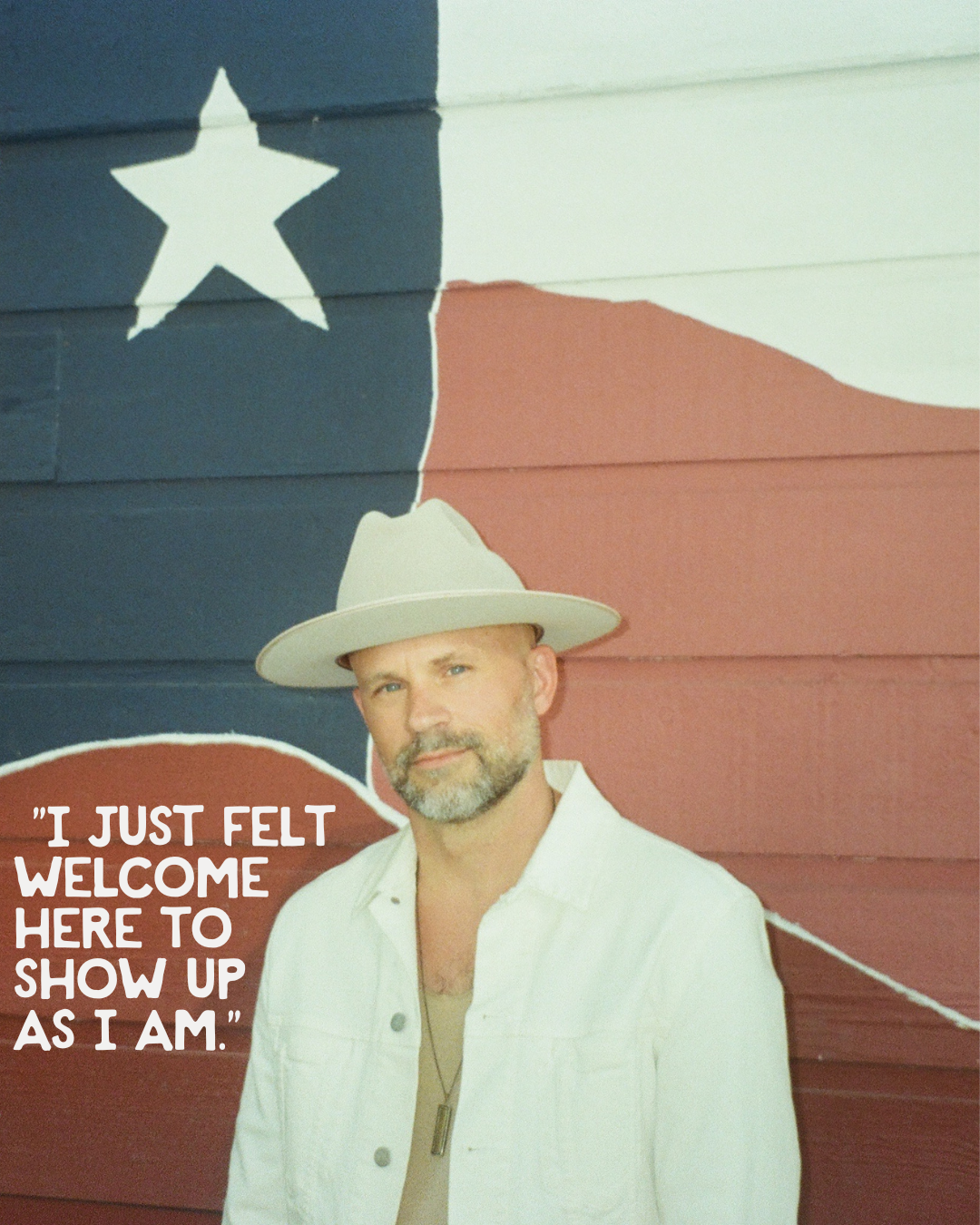
“The people here are the nicest,” James said. “No bullshit. No posturing. Just honest people.” LA and his previous home, New York City, had asked him to perform a version of himself. Both cities demanded their own kind of polished armor. Texas asked for none of that. The lone star state only asked him to be a good neighbor.
“Austin, in particular, has always been a haven for those who never quite fit the mainstream mold,” he went on. “There's a lineage of artists who've come here to start a second life—outlaws, mystics, misfits, and dreamers who needed wide open space to breathe. People don't just find their tribe here. They find their voice.”
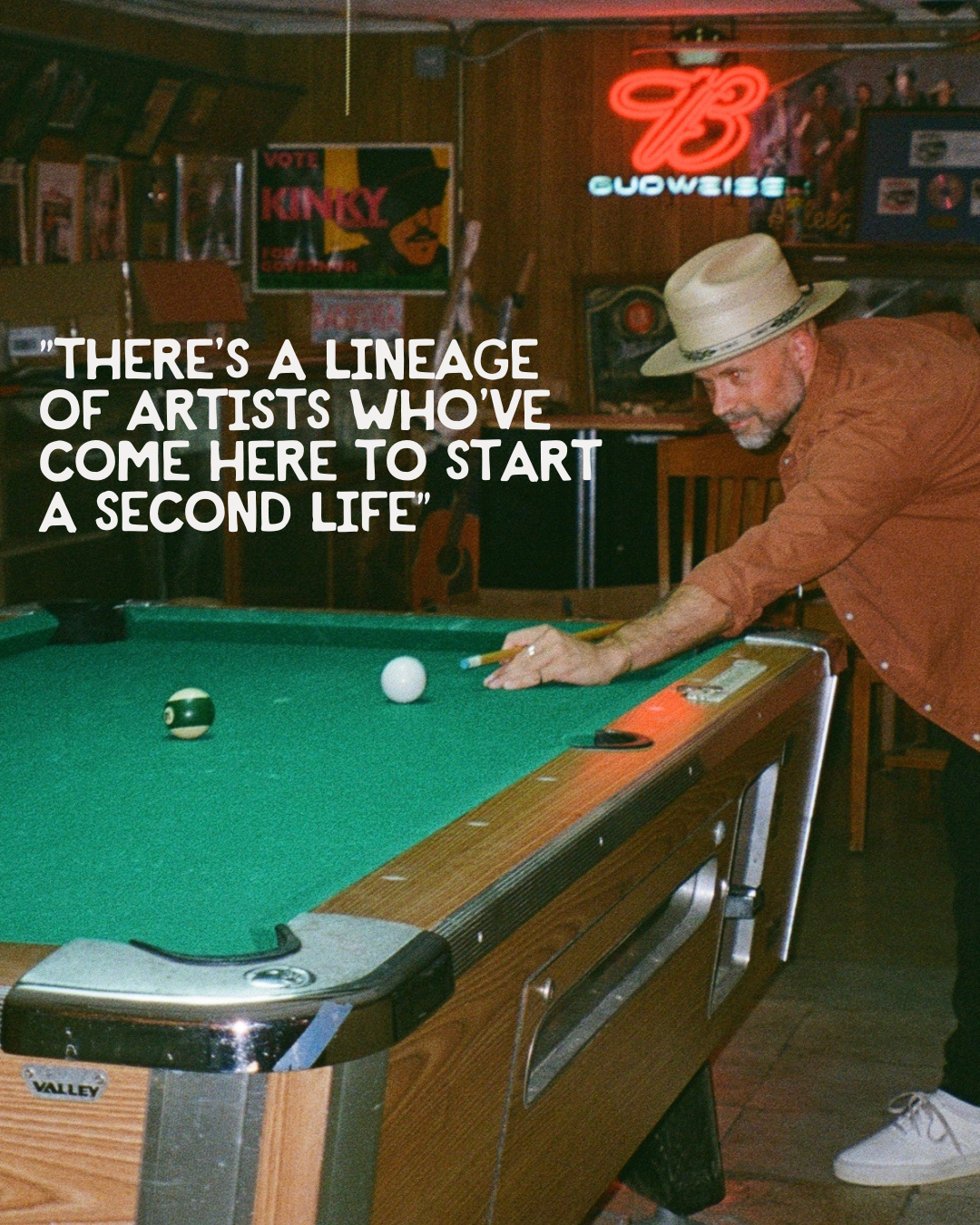
That lineage has been alive for centuries and then some; counterculture refugees, cowboys, settlers, and Indigenous people all found sanctuary here, but not one that was easily earned. “You have to become a bit wild to survive here,” James said of the landscape. This state has rocky patches, stretches of desert, mountains to climb—both real and metaphorical. If you're not in relationship with the land, like our predecessors learned to be, you won't thrive. “Texas' soil needs love. But if you give to it, it gives back.”
The Cowboy represents one who has mastered this relationship with the land. Born centuries ago on lands like these, the identity has transcended timelines. The Cowboy has become not just an emblem for our history and way of life in the Southwest, but an archetype embraced globally. “The cowboy archetype is about returning to your wild nature. It's about remaining sovereign and self-sufficient—yet still a steward of the land and of your herd,” James remarked.
The creative process is its own frontier. It's an untamed, unpredictable journey, requiring risk after risk. “You learn by falling off the horse,” James said. Like bygone figures of the Wild West, artists must return to the unknown again and again, pulling a deeper wisdom out of the dust.
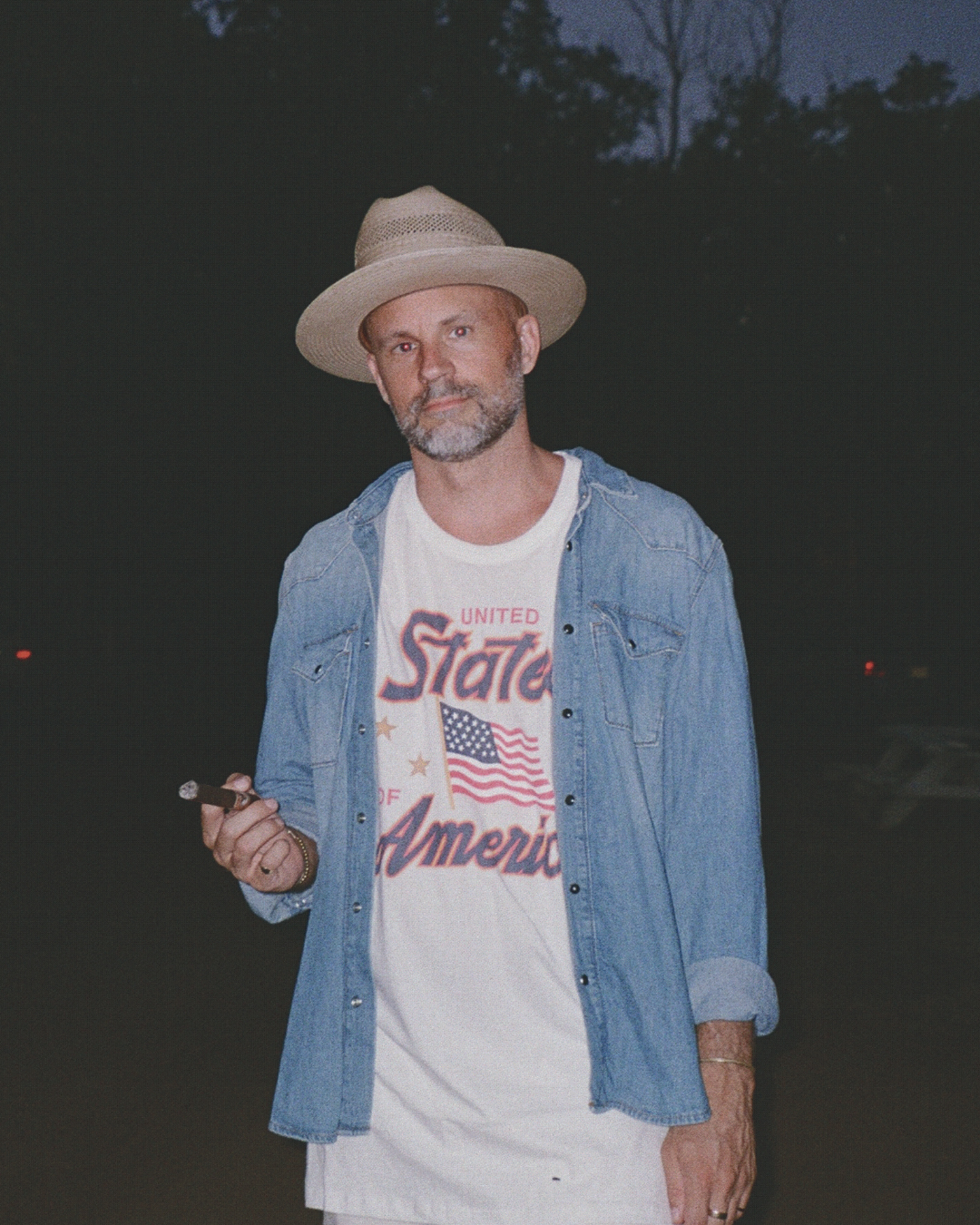
Texas, like the creative life, demands honesty, devotion, and the willingness to care for something even when it's not as easy as a California breeze.
James found a sense of home in his willingness to ride into the creative wilderness with no map. Being here has asked him to shed old layers, to let old selves fall away, to become the person he was always circling toward. Texas has reshaped him in the slow way it reshapes everyone who lets it.
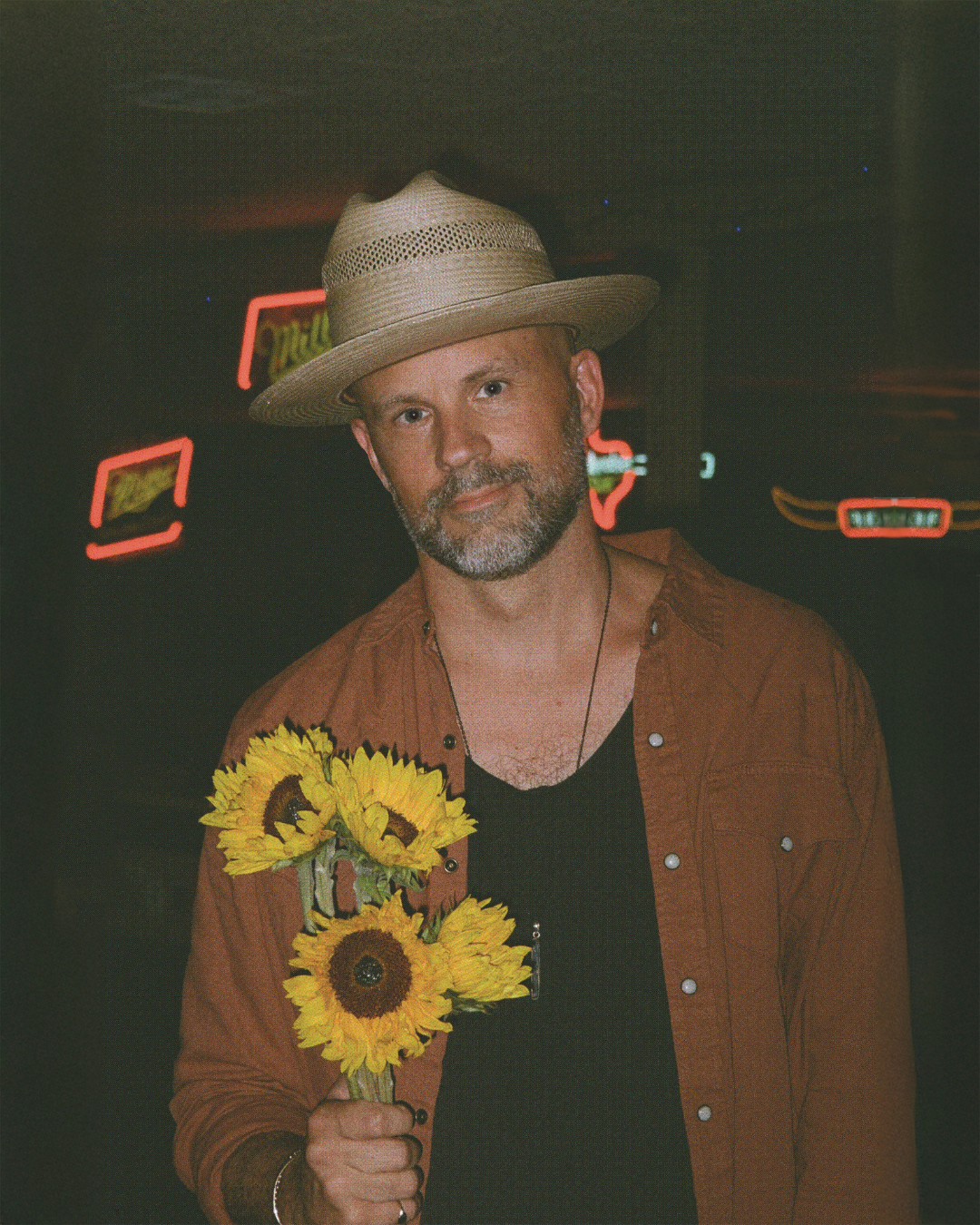
Here in Austin, and now globally online, James McCrae leads Sunflower Club—a community space for expression where I, like many others, have laughed, cried, experimented with vocal bravery, and met kindred spirits.
A Museum of Failures at the Edge of the Forest
When I see a beautiful story, rich with wisdom, all of the cells in my body conspire to capture it. Such inspiration struck me on my summer vacation.
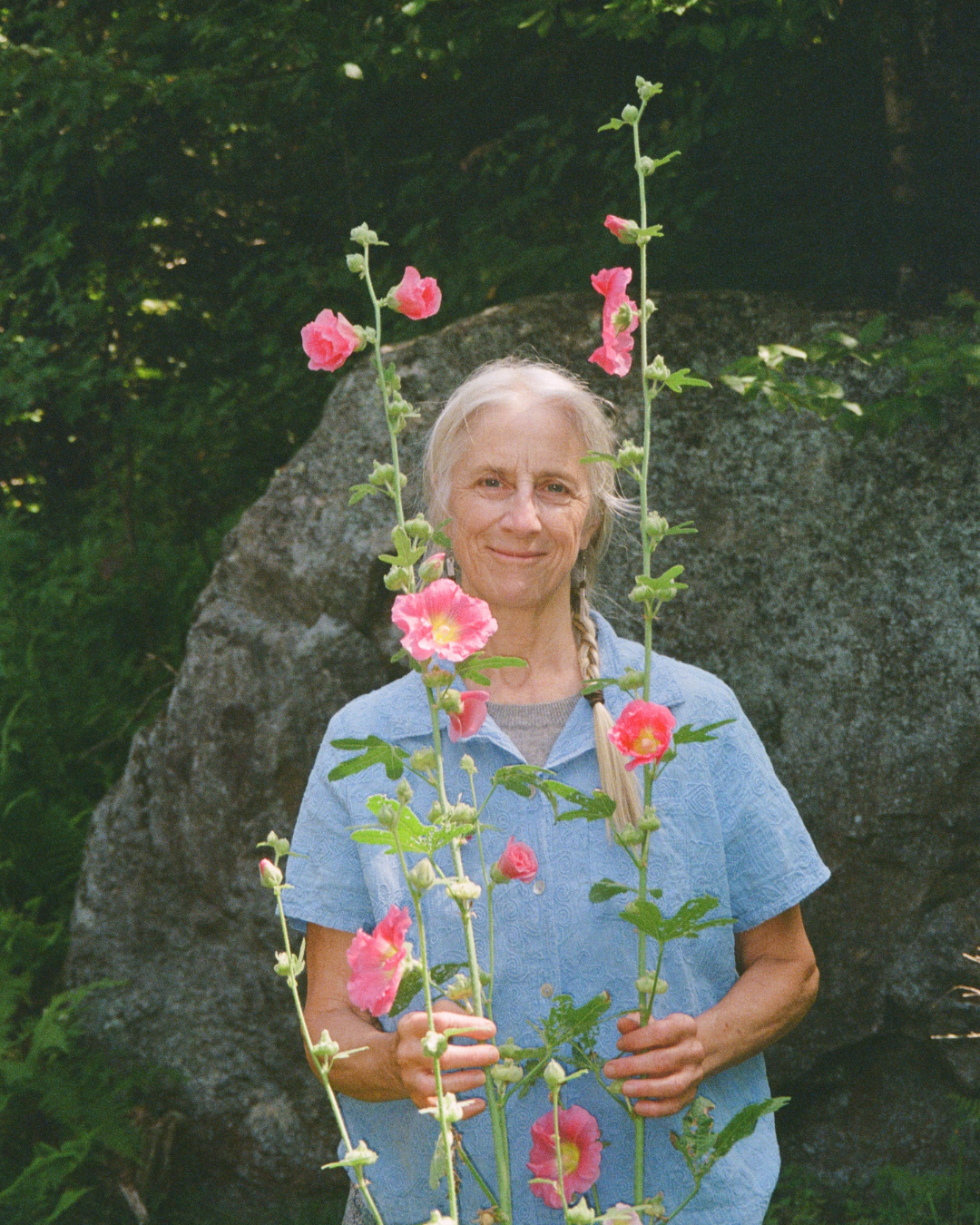
Please enjoy the story of Valerie Piedmont, and her collection of sculptures at the edge of the forest. Shot on 35mm film by yours truly.
“How long does the forest go on for?” I asked the grandmother across the kitchen table from me as she poured lavender tea into a pair of terracotta mugs.
“Forever, really.” She didn't explain further.
I'd spent all of August stuck in a mental rut, made even stickier by the humid height of Texas' heat. Like clay cracking in the sun, the end of summer exposed an old pattern of self-criticism I thought I'd outgrown. By the time I reached New Hampshire, I was finally seeing how sharply I'd been turning against myself.
A gust of grace carried me to the off-grid, solar-powered, bed-and-breakfast home of Valerie Piedmont.
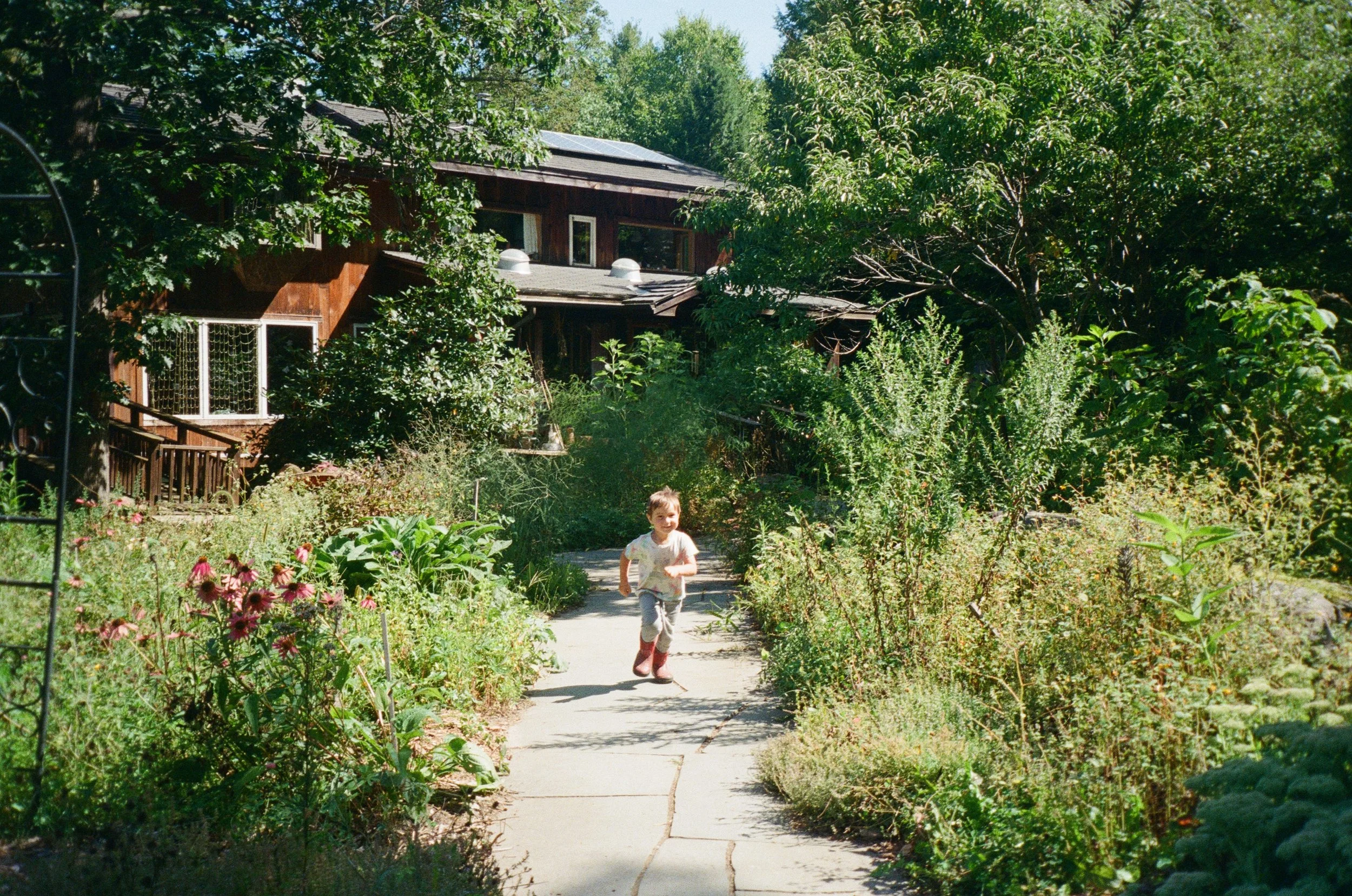
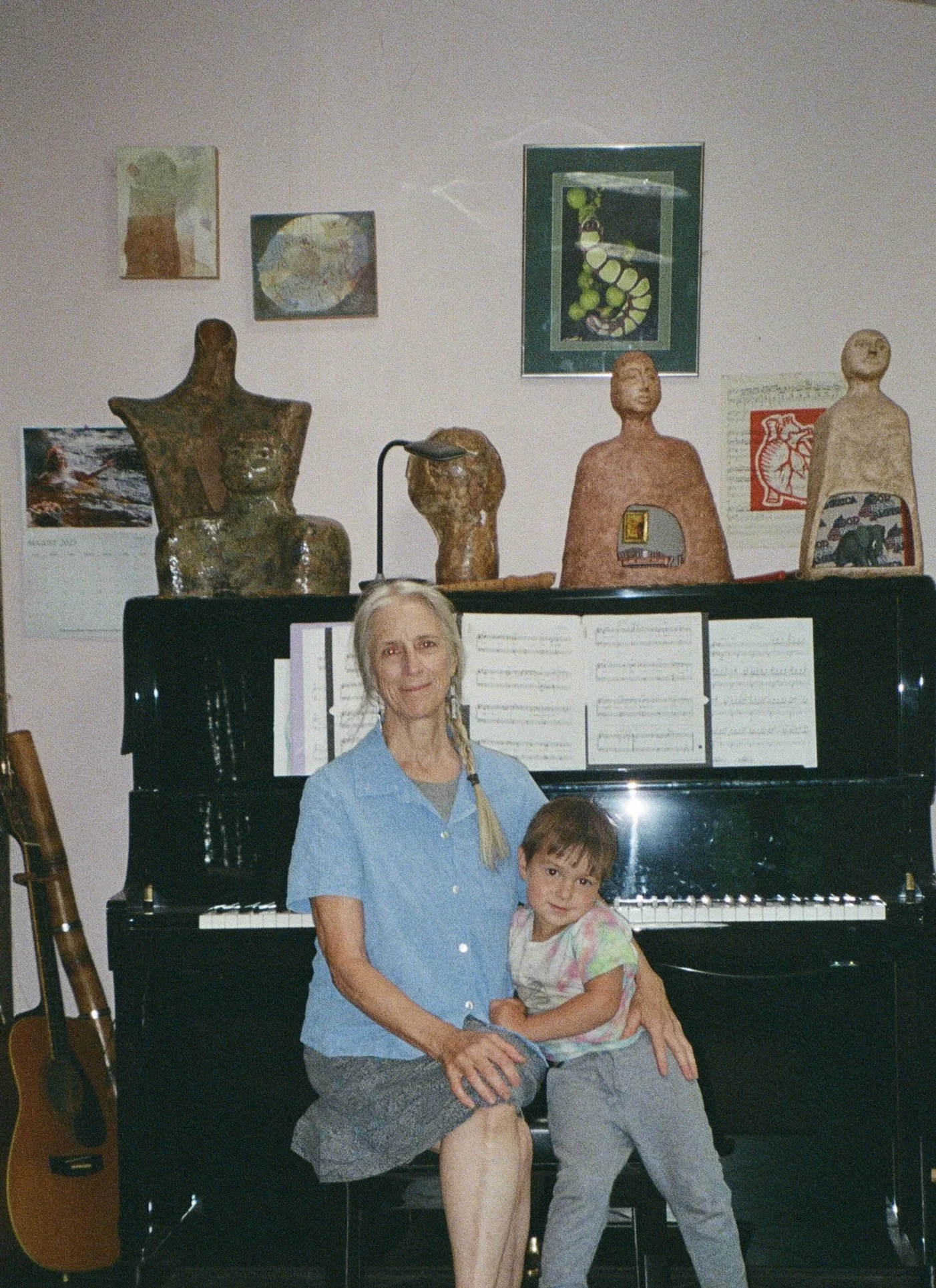
Her abstractly designed garden of flowers, herbs, and late-summer squash blurred the lines between the Emerson Brook Forest and the warm wooden walls of her house.
“It started as a one-room house many decades ago,” she said. “Then, I built a room at a time whenever I had the money and it wasn't snowing.”
In the sunroom, a Kawai piano remained an open invitation. The variety of volumes found on her overflowing bookshelves revealed a curious mind that transcended category.
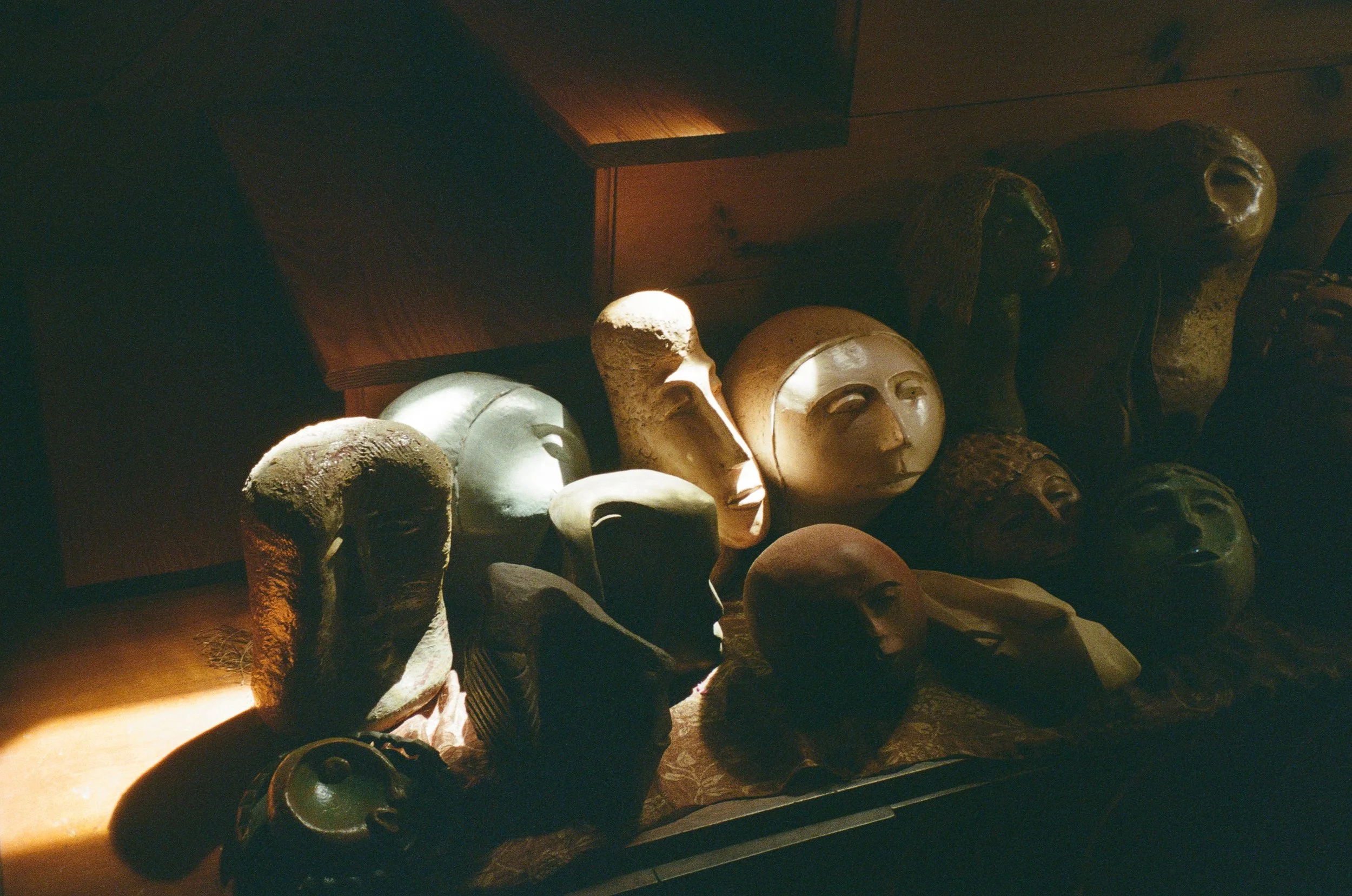
Nearly every surface—windowsills, credenzas, the front patio—was inhabited by striking sculptures that felt both primitive and modern; evasive of solid form yet unmistakably feminine.
Over tea that evening, Valerie told me about coming of age amidst the consciousness revolution of the 60s and 70s. Her “Summer of Love” bingo card was nearly full.
She went to Woodstock at 16, once chained herself to a fence to protest an industrial eco-disaster, and hitchhiked across the country to make it to Rainbow Family Gatherings (Like the Sun at Midday readers know what I'm talking about).
While many flower children let their idealism fade with adulthood, Valerie never released her vision of a harmonious world. She built her life there in the forest in devotion to the principles she believed could shape a world where all beings thrive.
The many stories she shared that evening carried the texture of a life fully lived: detours, heartbreaks, failures, and grit.
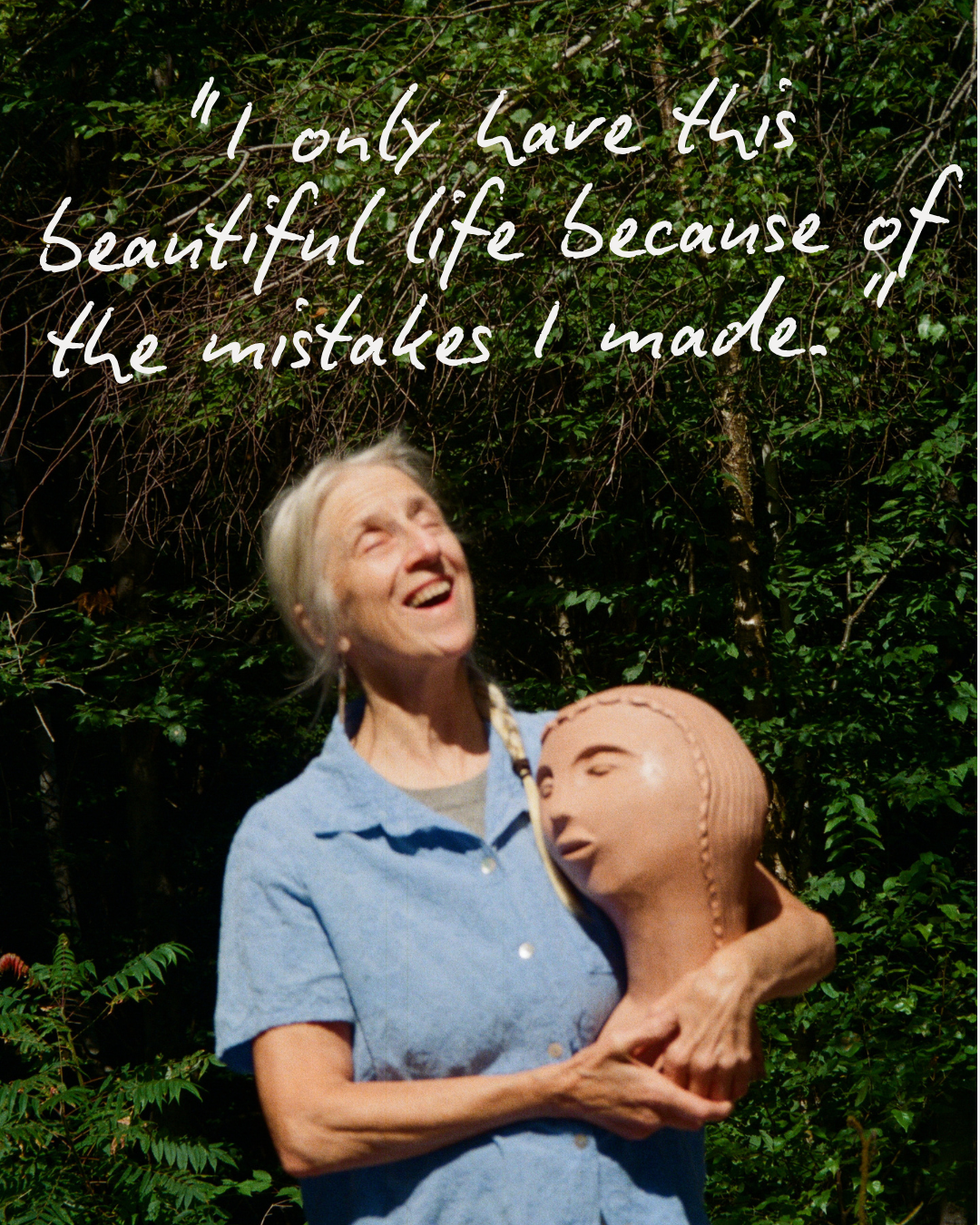
“I only have this beautiful life because of the mistakes I made,” she said.
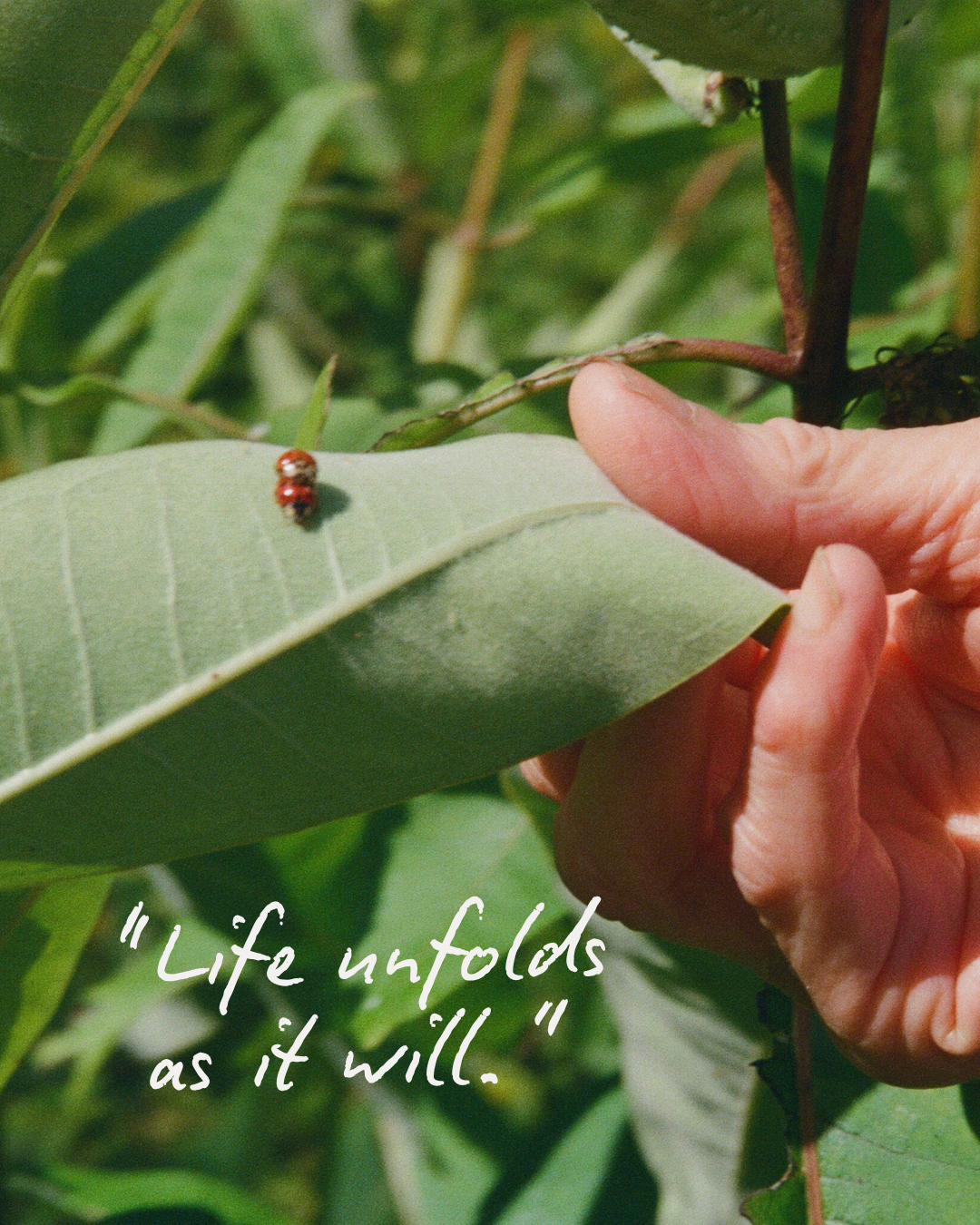
“We're co-creators in our universes. Life unfolds as it will. None of us are shaping our world alone. The plans that dissolve and the choices that don't work out aren't failures; they're part of the choreography with the larger intelligence we're partnered with.”
My shoulders dropped and an exhale escaped my lungs. These words softened the pressure I'd been putting on myself—to get it right, to control the outcome.
“And that bigger plan extends way beyond our little lives," she went on. "We live on top of the creations and mistakes of everyone who came before us. I am part of a continuum that keeps me connected to my ancestors. We're standing on their shoulders, seeing a little farther each generation.”
It turned out, Valerie inherited more from her ancestors than the incremental progress of consciousness.
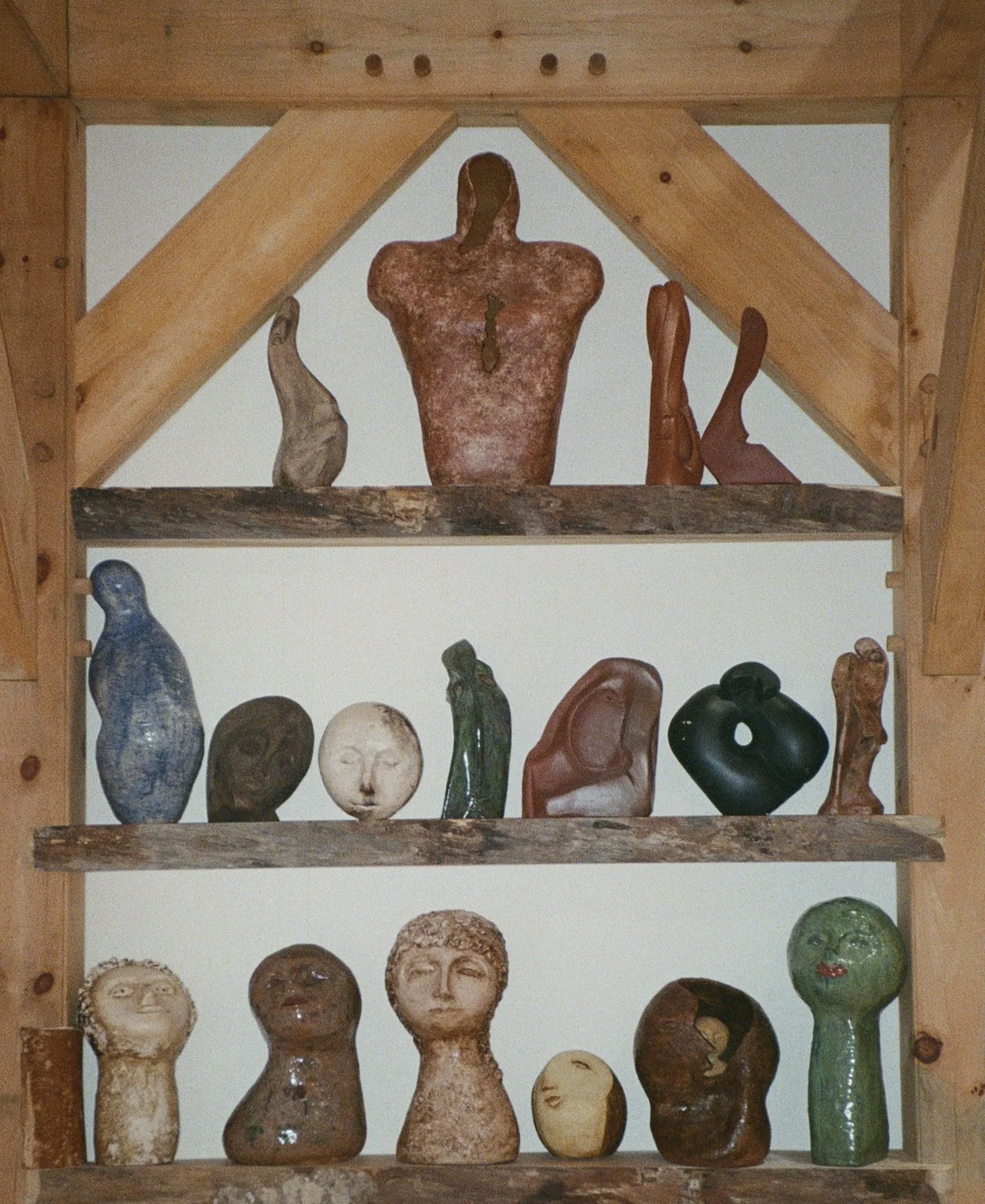
I learned that the collection of sculptures scattered throughout her home came from the late artist Susan O'Hara, Valerie's mother-in-law.
“I was always completely amazed by her pieces,” she said. “Sue told me how she would work the clay until it told her what it wanted to be. The suggestion of a face or a woman's body nearly always appeared, no matter how abstract. It's a perfect example of how artists are never single entities. They're in conversation with something larger.”
When Valerie's daughter was young, she once knocked over a sculpture while running around her grandmother's house.
“It shattered,” Valerie remembered, “and Sue just scooped up the pieces and tossed it in the trash without hesitation or even an ounce of disappointment before sitting back down at her work table. I hovered for a moment, and lifted the biggest piece out of the garbage.”
Valerie cradled the salvaged sculpture in her arms. “In the moment it broke,” she said, “it became more precious to me.”
After that, each time she visited Sue she asked, “What do you have that you don't want?” Over the years she built a collection of hundreds of sculptures that had fallen short in the artist's eyes or sustained a few cracks. “To me,” she said, “every one of them was special.”
Valerie's entire collection existed because she was willing to see beauty where others saw mistakes.
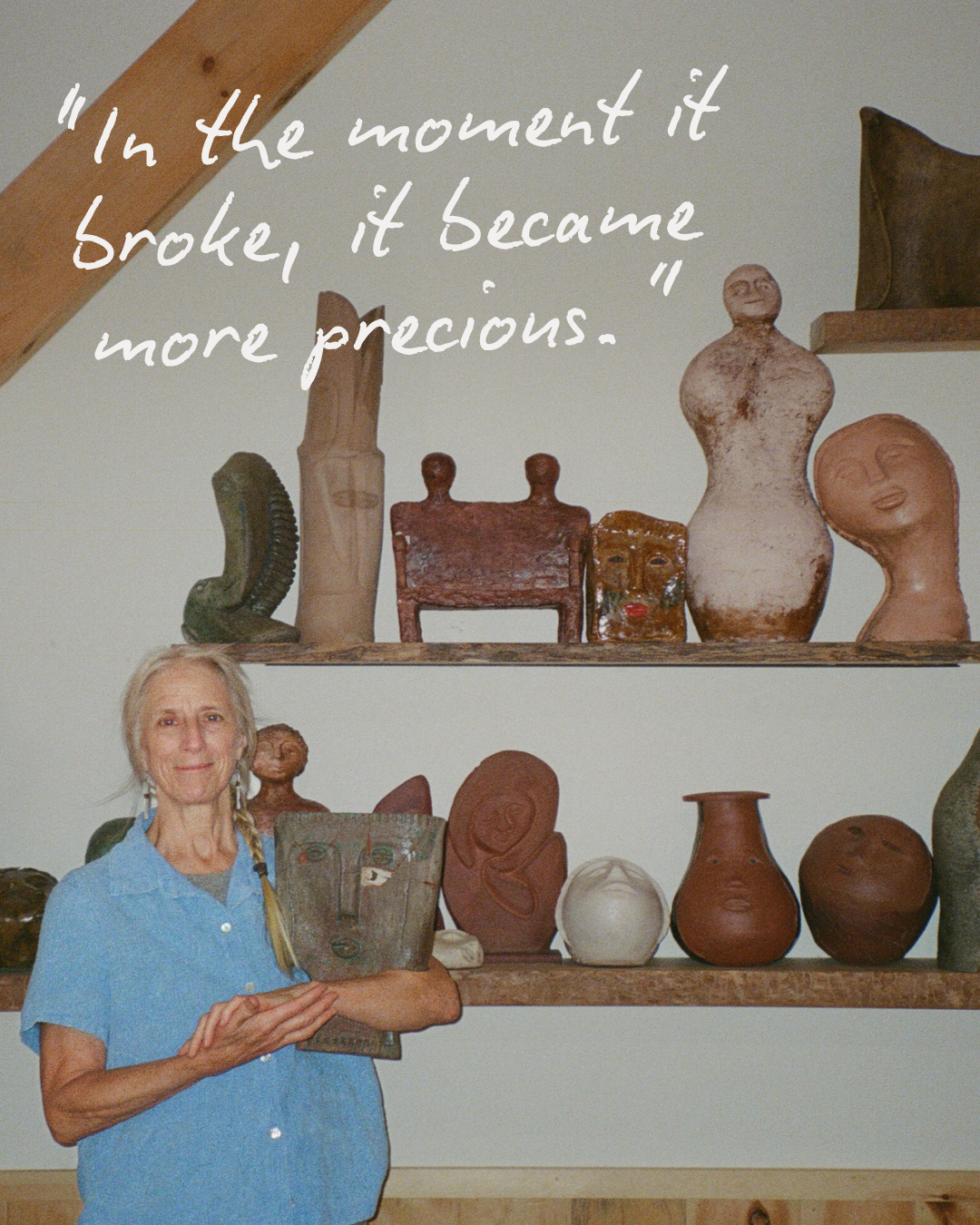
In her home, as in the forest, creation was not rigid or controlled. It was relational—moved by mood, guided by accident, shaped by what emerged rather than what was imposed. Sitting with her made me recognize how quickly I condemned my own imperfections, and how different life could feel if I met them with softness, or even adoration, instead.
When co-creating with the divine, it's rarely a linear path.
“I'm more like a pinball game,” she admitted. “But I always get where I'm going.” Her acceptance of twists and setbacks seemed to generate resilience.
That resilience became essential when she lost the 2,000 feet of wheelchair-accessible trails she had built through a nonprofit after a draining legal battle with a group seeking to commercialize that part of the forest.
Rather than harden, she moved the nonprofit's work farther down the same gravel road. Embracing the fresh start, she built a bright, wood-beamed gallery to house Sue's sculptures, gather community, and serve as an outpost for stewardship of Emerson Brook Forest.
“We're like desert flowers," Valerie said. "If it rains we'll bloom. If it doesn't rain we'll settle in the ground and wait for our time. We're not gonna die, we just won't make progress—except what happens internally. I know that's the wrong analogy for the forest, but it sure works.”
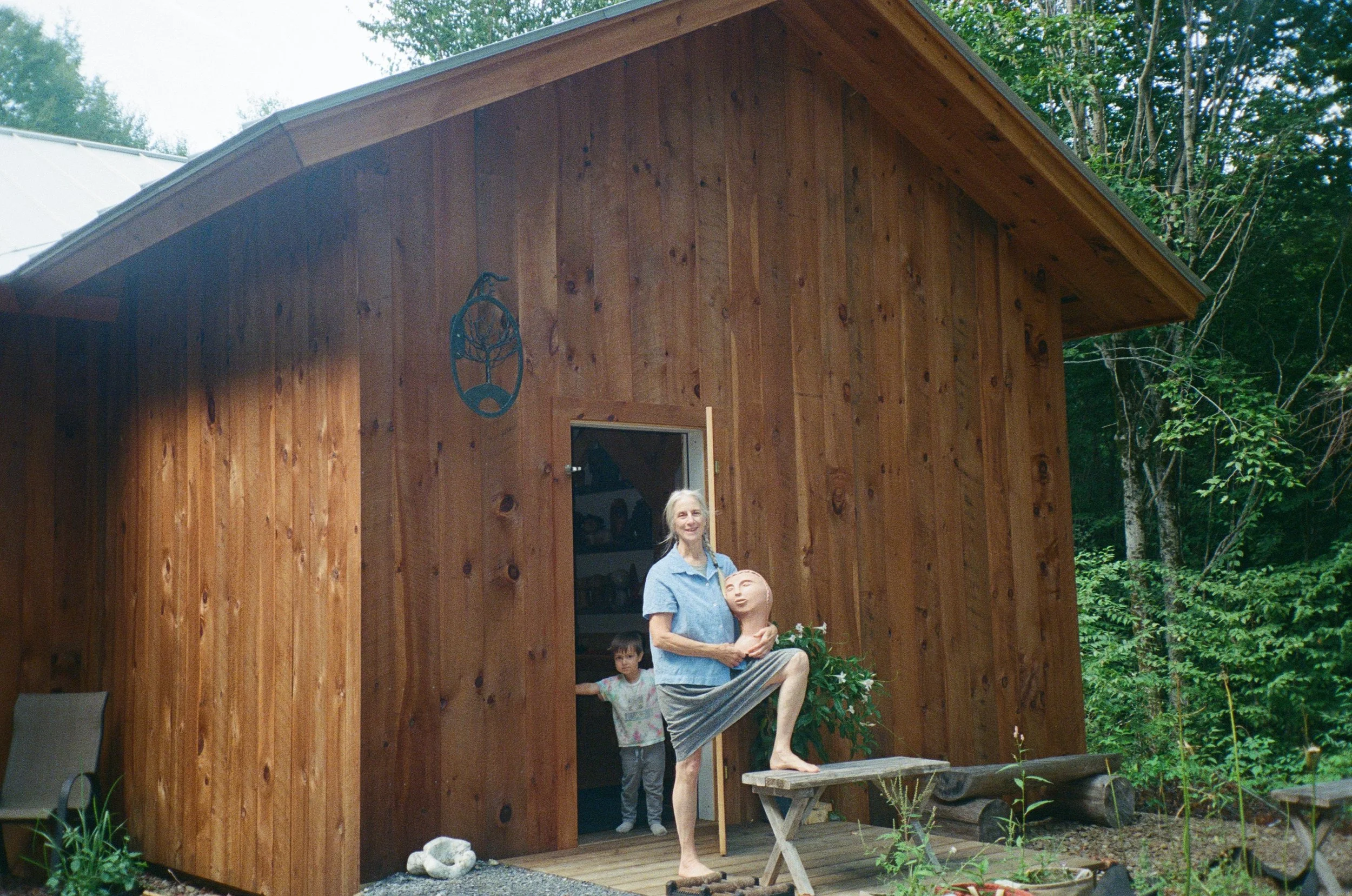
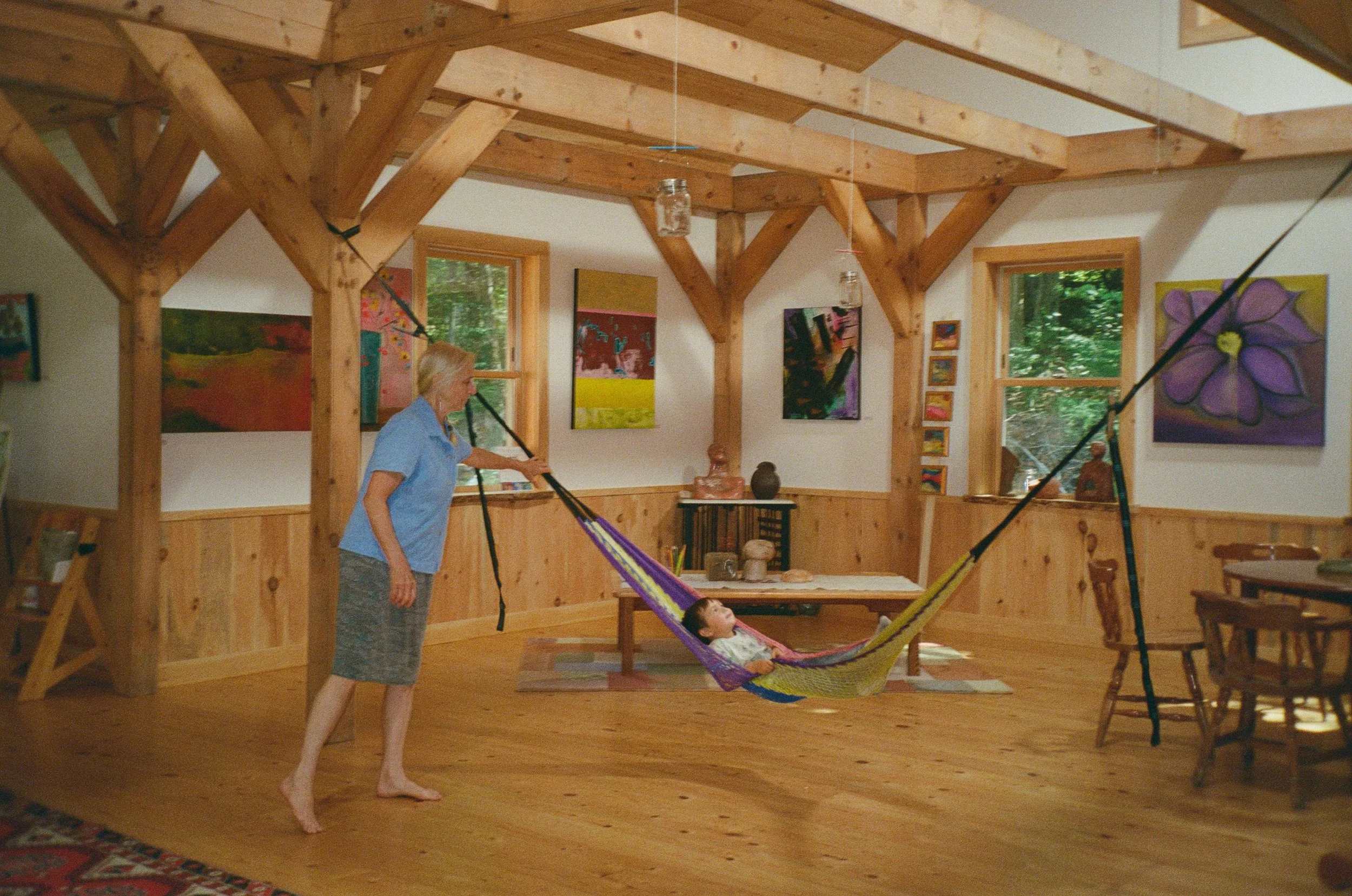
The next morning, Valerie and her grandson took me on a short hike up the road to visit the gallery.
“The first sculpture I brought up here once construction was complete has about 1,000 cracks in it. She lives on her side now,” Valerie said of the sculpture too broken to stand up straight. “She suggests repose. Rest.”
Each visitor is invited to carry a sculpture from Valerie's house up to the gallery—a quiet ritual that lets many hands take part in the slow, shared dance of making she's built into this place.
I had been treating imperfections as evidence of failure.
Valerie showed me how to treat mistakes as companions, as sources of beauty, as the very material from which a meaningful life is shaped.
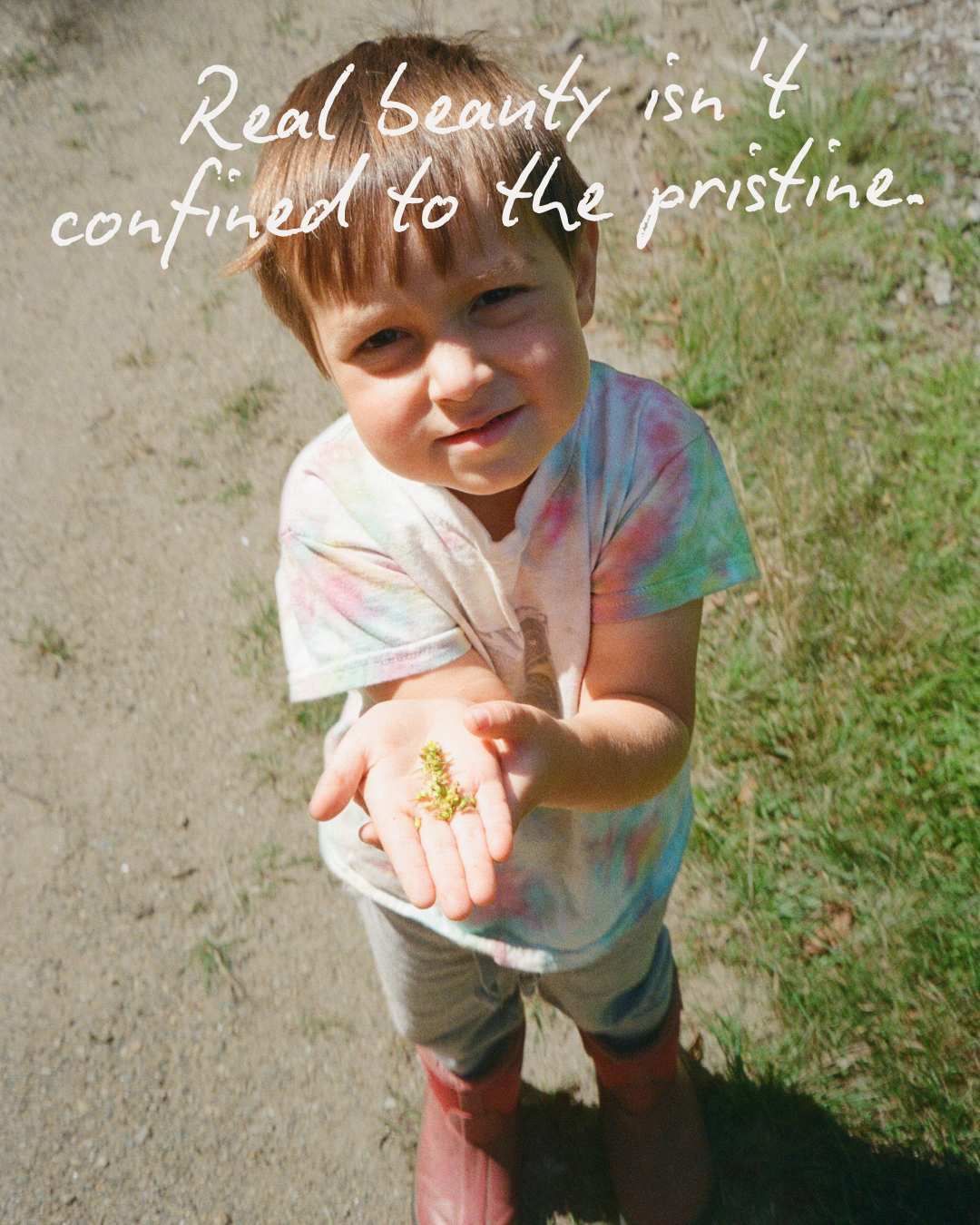
Her home, her art collection, her forest, and her history all demonstrated that real beauty isn't confined to the pristine.
Beauty lives not in the untouched but in the touched; the changed, the softened, the survived.
There's preciousness in the way life marks us up.
Maybe, like Valerie, I'll build a museum in the woods to exhibit my own scratches and rough edges.
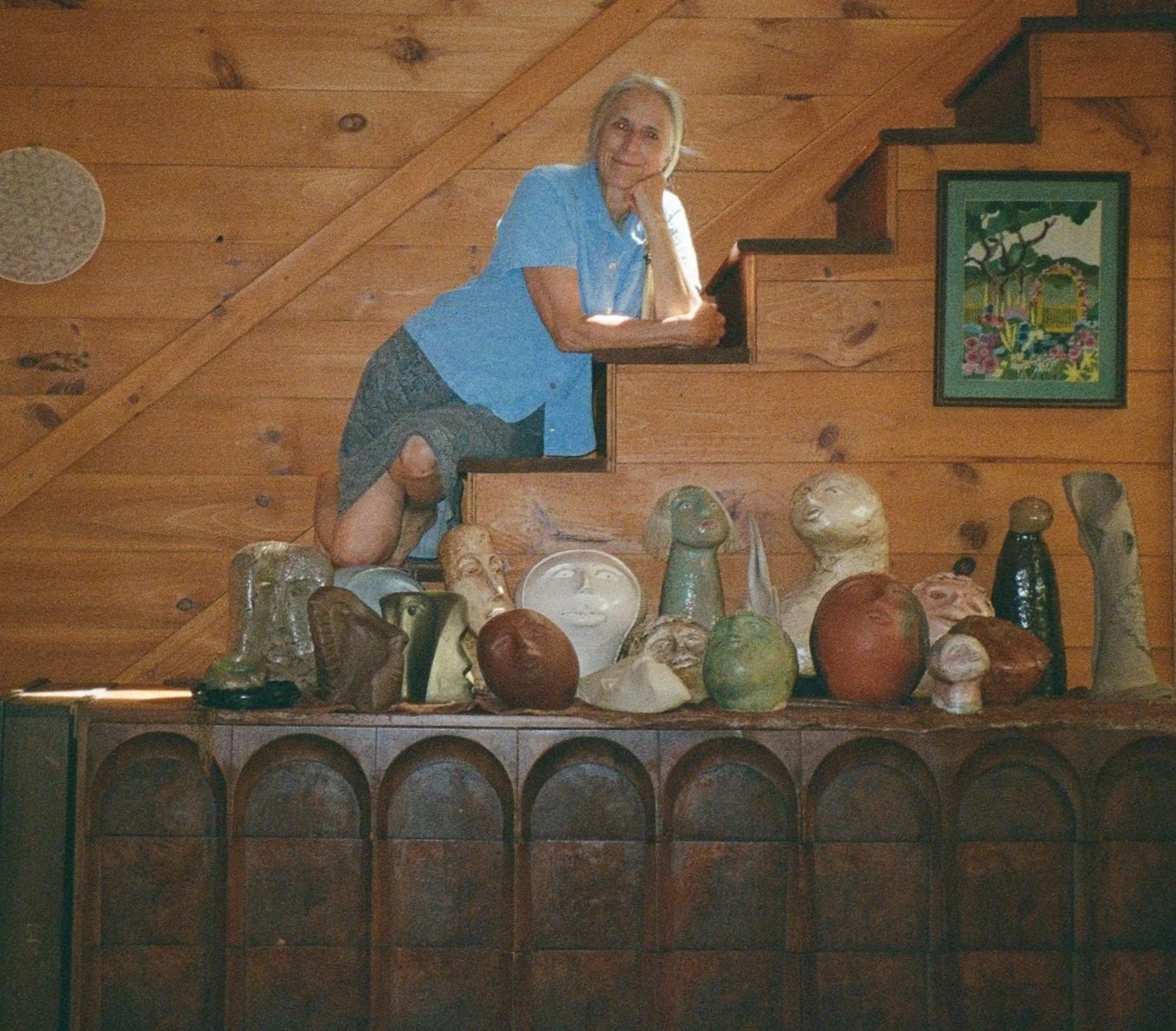
Learn more about The Sustainability Project
Valerie's nonprofit promotes a love of nature, environmental stewardship, caring communities, and ways of living that deepen our understanding of the interconnected web of life.

3 reasons I'm easing off AI
For months and months, “AI-powered” was the hot phrase we were seeing everywhere.
Now, I'm hearing “AI-slop” way more often as our feeds have become clogged with copy, images, and even videos that have that mediocre AI glow.
We're officially past the phase of being amazed at what AI can do, and now we're becoming pestered by its prevalence.
Honestly, I'm applauding this linguistic shift.
I'm not anti-AI. I still use it now and then, but I've witnessed a burgeoning obsession. It's like we're monkeys who just discovered fire.
I can't help but feel there is something off here.
Here are 3 reasons my AI-dependence has tanked recently:
AI Atrophies Creative Muscles.
When we lean into these tools too often to carry us through sticky moments of writer's block, brainstorming, or editing, it weakens our ability to intuit our way through liminal spaces.
Have you noticed more occurrences of drawing a blank?
There's immense value in grappling with ideas. This sometimes frustrating dance allows us to touch and feel the essence of what we're creating from all angles. It builds intimacy with our work.
But we are leaving on the table when we pick the frictionless path of plugging our problems into AI.
A frictionless life sounds nice, but it's ultimately flat.
My invitation here is to engage with the friction. Because once you get over the hump of that friction, a special kind of flow state often opens up.
But you rob yourself of the opportunity to get there if you aren't willing to put in some elbow grease in those liminal spaces.
2. AI Affirms Where it Should Discern
Remember, these tools were built by businesses that want satisfied customers.
ChatGPT is usually just trying to be a politically correct sweetie pie—and will gladly affirm distortions with the intention of making you feel good about yourself.
Its general approach is to mirror; to talk like we talk, and match our values to create a perfectly pleasing, harmonious dialogue. When this behavior is as pronounced in humans as it is the bots we're seeing, it can be a sign of mental illnesses such as BPD or a form of Narcissism.
How might this repeated unnaturally harmonious interaction erode our tolerance for differences and disagreements?
Conflict is a natural part of the human experience. Encountering difficult, but honest reflections is part of what keeps us in balance.
I don't want to give that up.
3. The Eco Impact is Horrendous
Information below sourced from Business Energy UK, click for a deeper dive
Each ChatGPT input uses 1-3 water bottles worth of fresh water to cool down the servers that are working hard for us.
In one day, ChatGPT uses enough electricity to charge 8 million phones and enough water to fill 1 million bathtubs.
In one week, it uses enough electricity to power the Las Vegas Sphere for 3 years straight and enough water to fill 864 million Stanely cups.
And that's just ChatGPT. There are countless other AI models in use and being built.
Are we robbing our children and grandchildren of life-giving resources because we want to save 3 minutes composing an email?
Or because we can't be bothered to rub a couple of brain cells together?
Beyond reducing unnecessary usage, here are a few ways to stay a bit greener on the internet:
• Using ChatGPT's lower models reduce impact. Try GPT-4o Mini or GPT-o1 Mini
• Type “-ai” at the end of your google searches to take Gemini out of the equation.
• Try GreenPT—one of the only chatbots dedicated to sustainability, privacy, and transparency.

Quinta da Regaleira: A Spiritual Journey Through Place
Photos shot on film by yours truly
A branding deep dive with a wonderful client brought me to the vibrant city of Lisbon, Portugal earlier this year.
Between meetings and meandering walks, I kept hearing about a magical place just outside of the city that was intriguing enough to pull me onto a train at sunrise one misty morning.
The buzz of Portuguese and a few other languages I couldn't place filled the train car. As we moved beyond the edges of Lisbon, suburbs slowly thinned out. The terrain began to roll like gentle waves and the trees grew denser.
As I walked from the station into the small town of Sintra, the hillsides rose up like cathedrals, each dotted with castles that looked like they’d been plucked from a storybook.

After a slow cappuccino in the village square, I wove my way around a dozen curves in the road, softened by blankets of moss and overgrown ferns, and speckled with old drinking fountains and orange trees heavy with fruit.
The air grew thicker, the landscape greener.
As I neared my destination, my heart seemed to rise up from its resting place to make its weight known, as if the threshold I was about to cross insisted on richer presence with the swirl of what was alive inside of me.
Up a final hill, I arrived at the gates of Quinta da Regaleira.
Little did I know, my pilgrimage had only just begun.

This place was exquisite.
Commissioned in the early 20th century by a wealthy mystic and collector, António Augusto Carvalho Monteiro, and designed by visionary architect Luigi Manini, Quinta da Regaleira was never meant to be just a residence.
The entire estate is layered with esoteric references: alchemy, Masonry, the Tarot, the Knights Templar.

This philosophical landscape was designed to guide initiates through a symbolic journey. As you move through the property’s curated paths, you’re not just walking through physical space—you’re traversing inner terrain.

I was in awe of the intricacy. Little portals and hidden corners made the estate feel alive, like its heart was swirling alongside mine.
Delicate stone carvings draped like velvet across the facades of the palace, its chapel, and surrounding towers, turrets, bridges, and pavilions.
Mysteries perched like open invitations throughout the property: a quiet cave at the edge of a main pathway, and winding paths that zagged into the forest in unpredictable rhythms.
A small lake, intimate grotto, and trickling fountains pulled the space into a dreamlike calm.
Weathered statues of female figures with fresh flowers tucked between their stone fingers stood watch.

I climbed to the peak of the estate to find the entrance to the iconic Initiation Well.
This structure is believed to have been used for ceremonial rites of passage to guide (allegedly blindfolded) initiates through a physical journey that symbolized and activated a spiritual journey.
I peered down at the mossy stone staircase that spiraled into the Earth, 5 stories down, and embarked on a journey of my own into the depth.
Each step carried me downward—cooler, darker, damper, denser—meant to simulate a descent into the subconscious; the necessary journey into our hidden places within.

The stairs deposited me at the mouth of a long underground tunnel. Like resting inside of a peaceful grave, the belly of the well represented a small death.
Yet, the tunnel offered a choice to move forward from that dark void, even though the destination was not known.
With each step into the mystery, a faint light and the sound of flowing water began to grow stronger.
Finally, I emerged at the tunnel’s a wide opening that sat behind the heavy stream of a waterfall.
The journey ended at this three-dimensional experience of fresh hope and rebirth.

What I’m obsessed with is the technology at play here: the use of space, material, and atmosphere to evoke internal shifts.
Quinta da Regaleira is a living manuscript, coded in stone and moss. It's a space where architecture becomes mythology, where nature and narrative dance together.

What wisdom and strategy can we take away as creatives from a place like Quinta da Regaleira?
It’s a reminder that what you create and share with others isn’t just a transaction. It’s a terrain, a threshold, an invitation.
Some questions to ponder from beneath your own waterfall:
What journey do you guide people through?
What internal pilgrimage does your work invite others into?
What new worlds do you crack open?
You are the architect of your artistic universe. I can’t wait to see the worlds you build.

Notes on Softening and Overflow
In the external world, certain emotions have been put on pedestals while certain others have been nearly banished.
Joy? Good.
Sorrow? Bad.
Optimism? Right.
Anger? Wrong.
But these made up rules of what we're allowed to embody and express only become cages where our range of motion shrinks.
Wherever you've been holding yourself in a palatable posture…this is an invitation to soften.
I'll go first.


The Mycelium Method with Brittany Stark
As the unofficial mama bear of the friend group, known for her backyard yurt shindigs, and official boss babe/moss babe of Social Club Studio, Brittany Stark knows a thing or two about gathering people together.
Britt has helped build and amplify dozens of brands, from KA! Empathogenics to Woodstock (yes, that Woodstock).
But she's onto something new—something that can bring founders direction and offer sweet relief from the age old, “But where will I find my audience?” dilemma.
And it's inspired by fungi.
This spread was shot on film and playfully styled by yours truly. Find a messy collection of more film photos and styled works here.


I Find Courage in Paris
The story of my time in Paris a little over a year ago—paired with a few messy photos from my film roll.
A story for delicate, yet resilient hearts.
For those who seek to unfurl their bold brilliance, despite the fear one’s mind can conjure up.




It Takes Courage to Be a Genius with Kristy Jalbert
Notes from the incredible Kristy Jalbert on the elusive zone of genius, and how to claim it.
Shot on film by yours truly.


