Guatemala and the Divinity of Stewardship
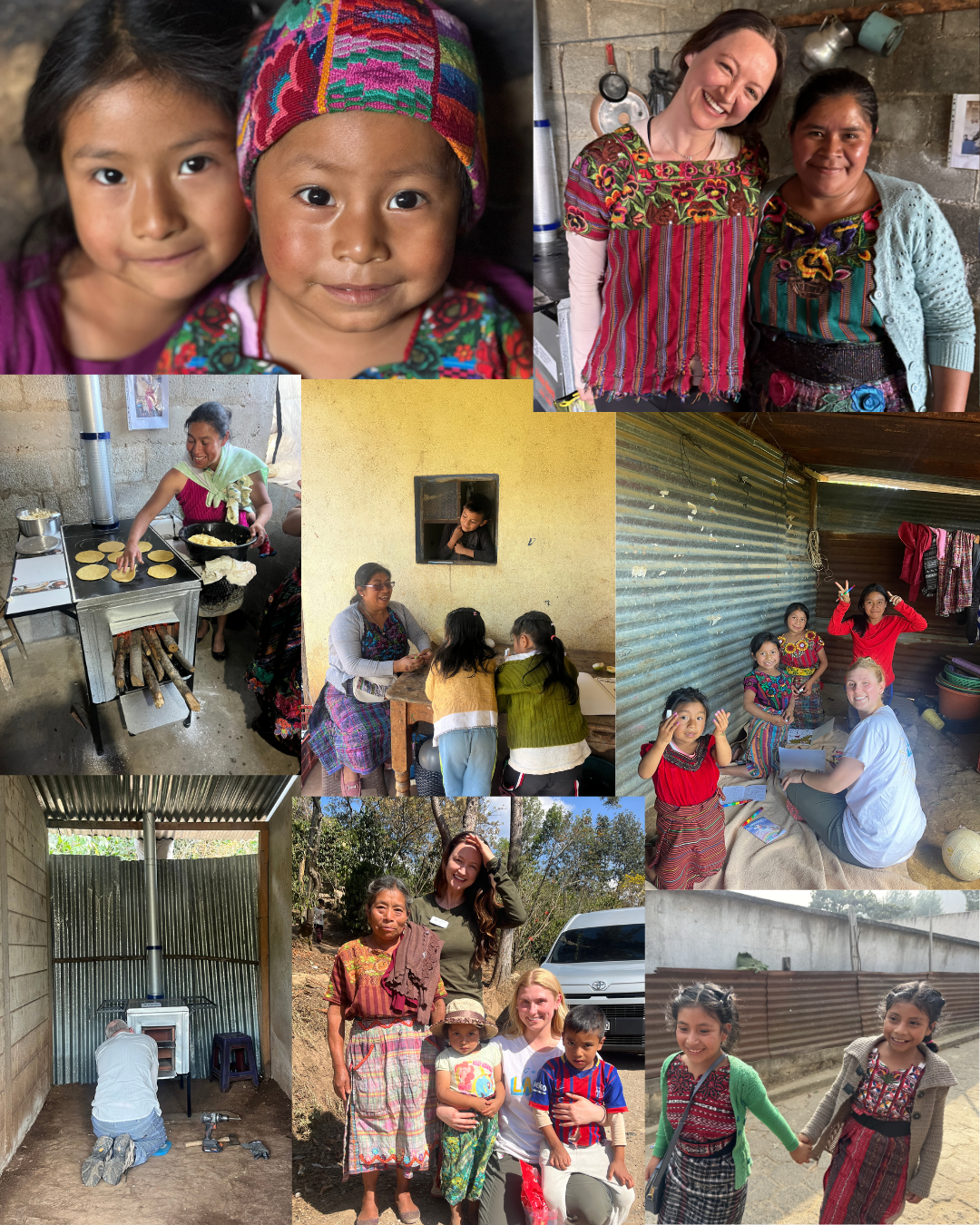
A year ago, I had the opportunity to visit Guatemala with my uncle Pat, volunteering with International Esperanza Project.
The peaceful, laborious, joyful week cracked my heart open in a way that was so profound, I am just now feeling able to share about it.
And (truthfully) I've taken my time because philanthropy like this feels tricky to write about without falling into harmful (and straight-up annoying) expressions like virtue signaling, exoticizing people from a different culture, or fetishizing poverty.
Plus, my take away is a bit of a zinger.
But I'm going to get over myself, do my best to honor all, and let the message I know to be pure come through—because it is far too sweet and powerful to keep sitting on.
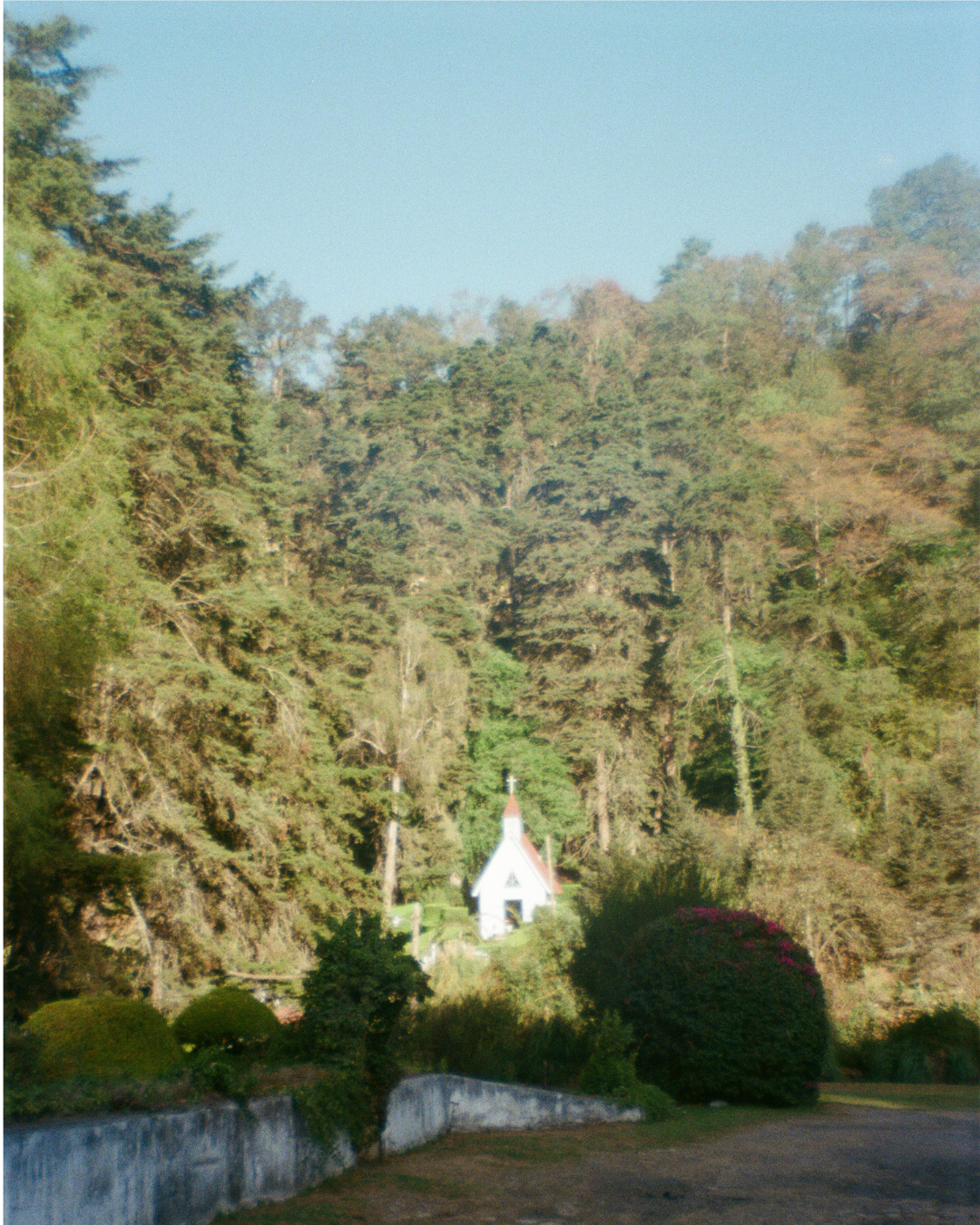
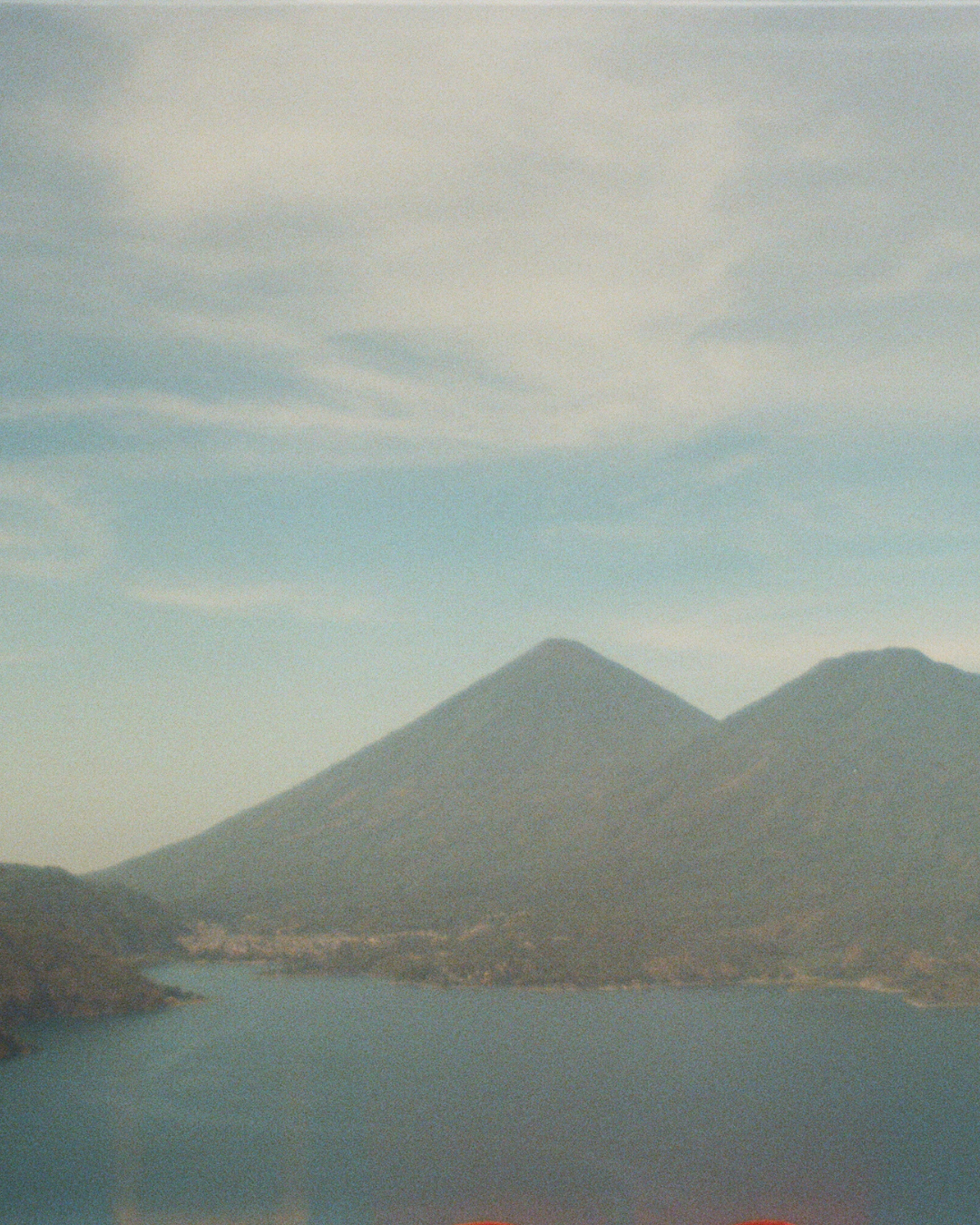
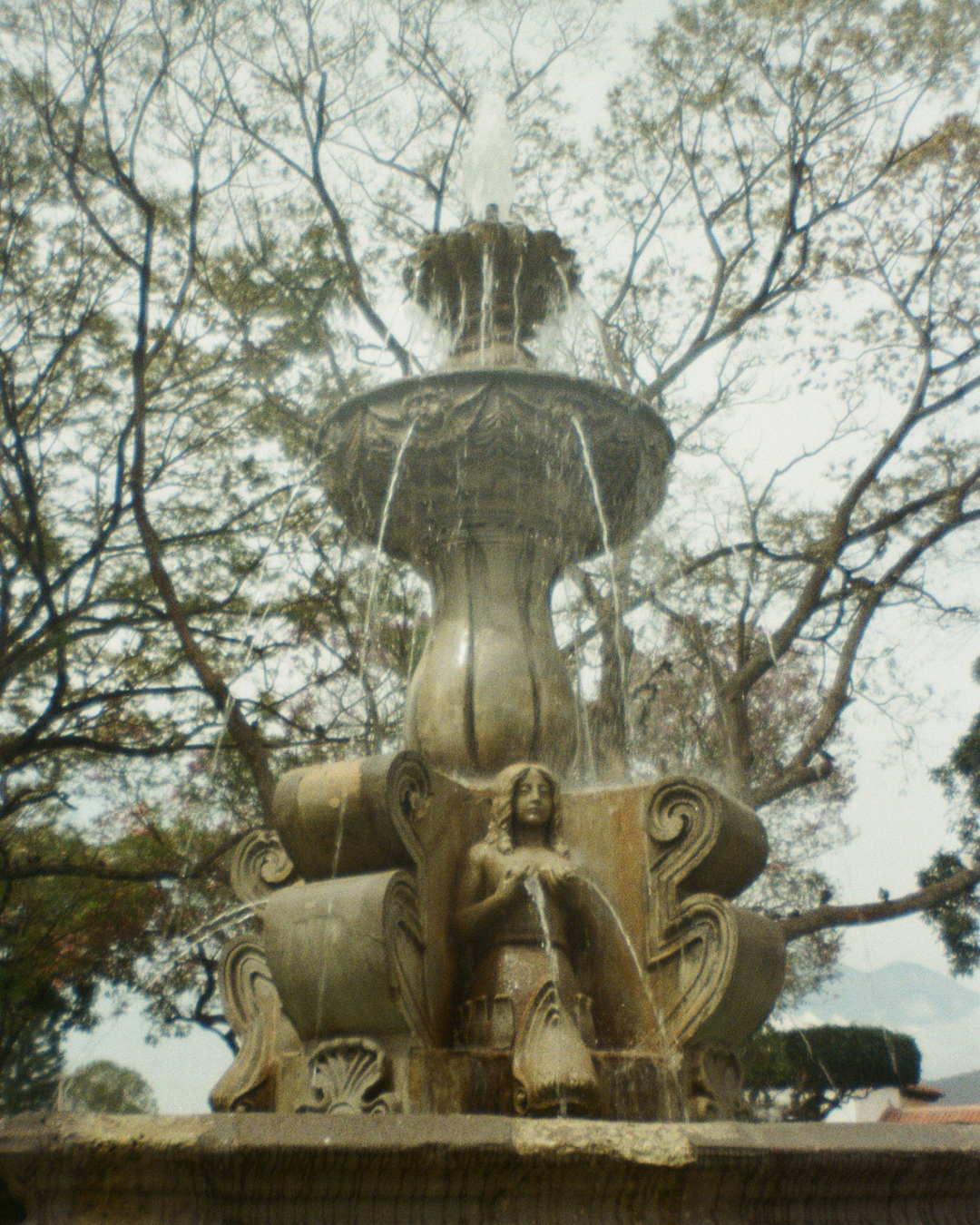
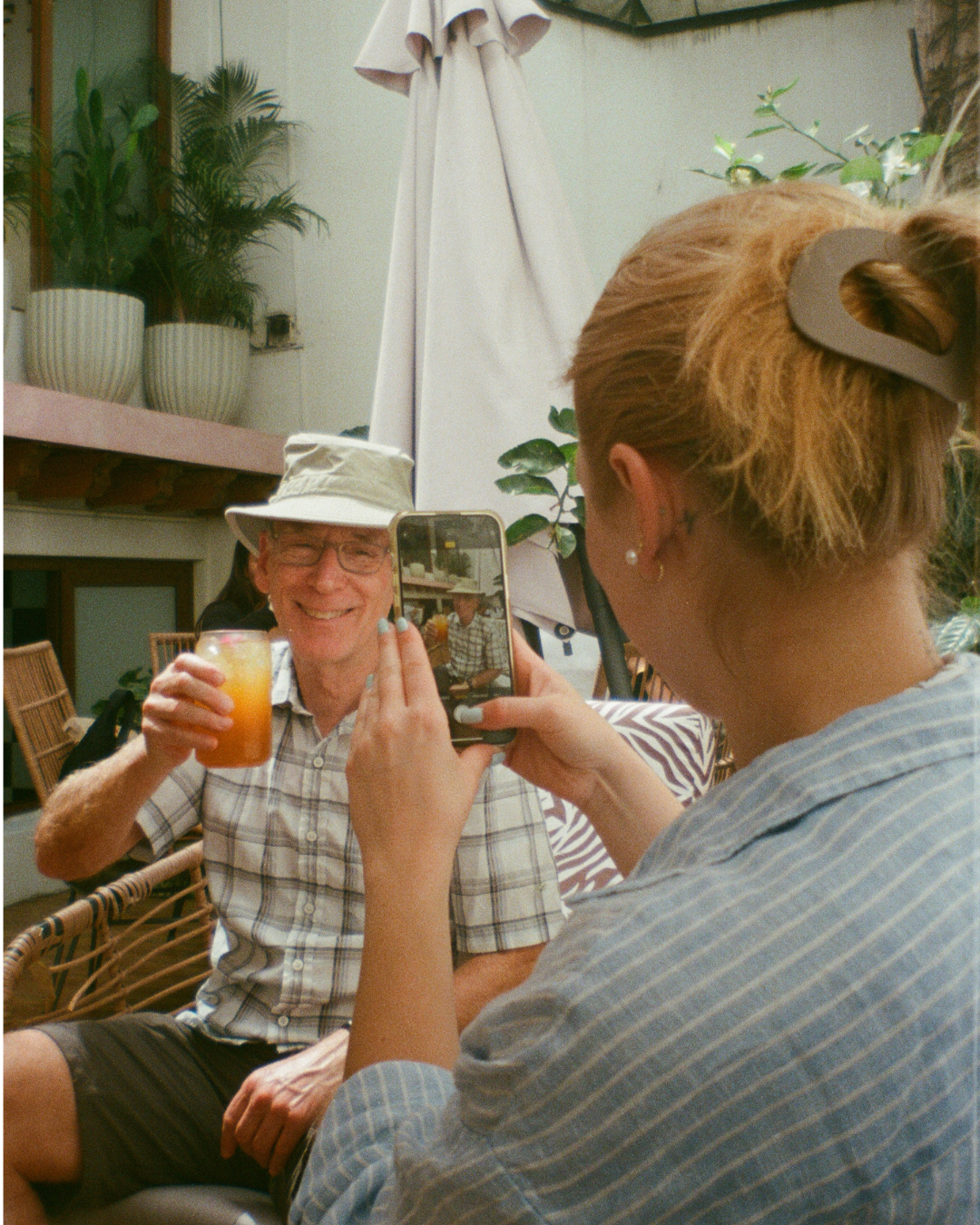
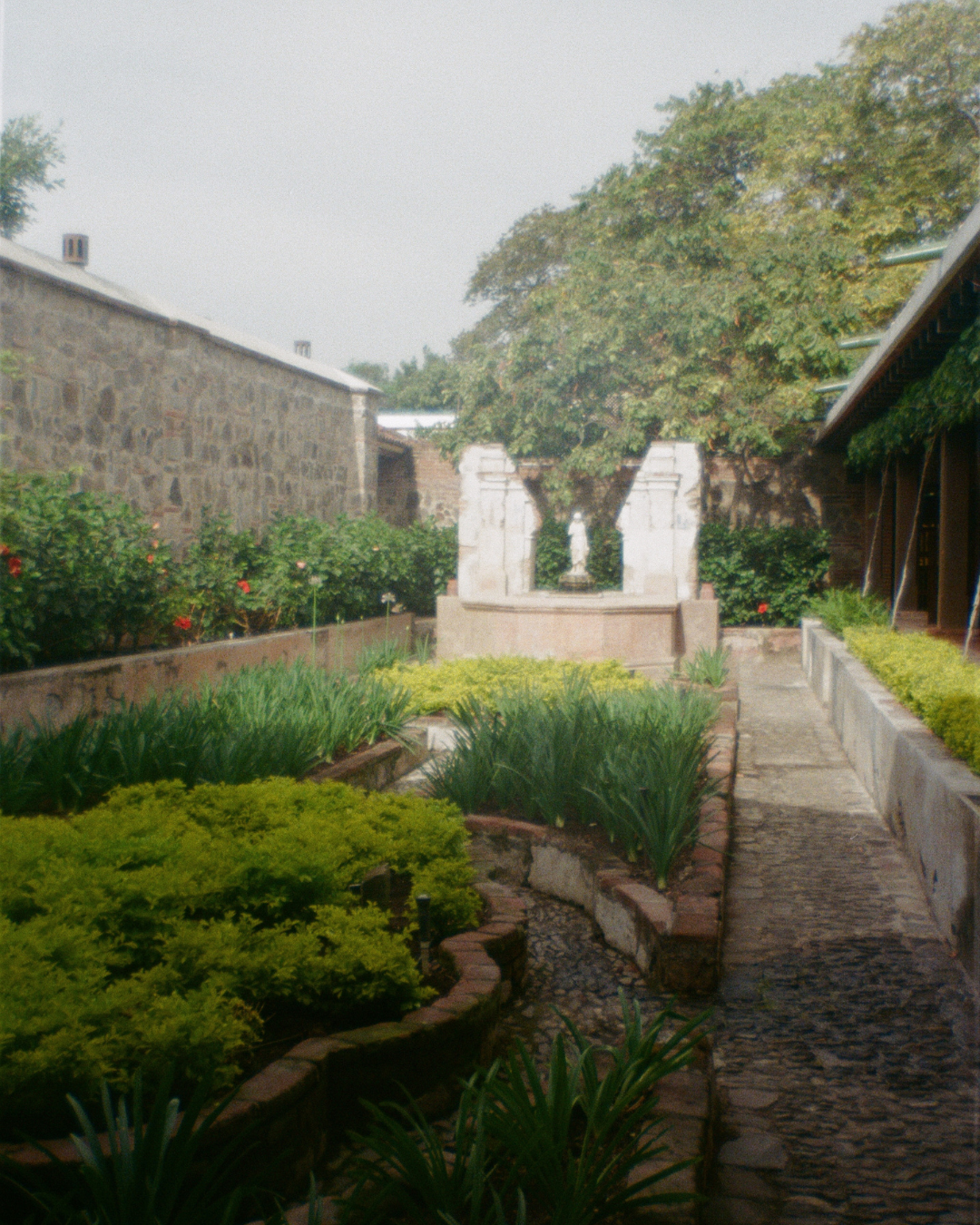
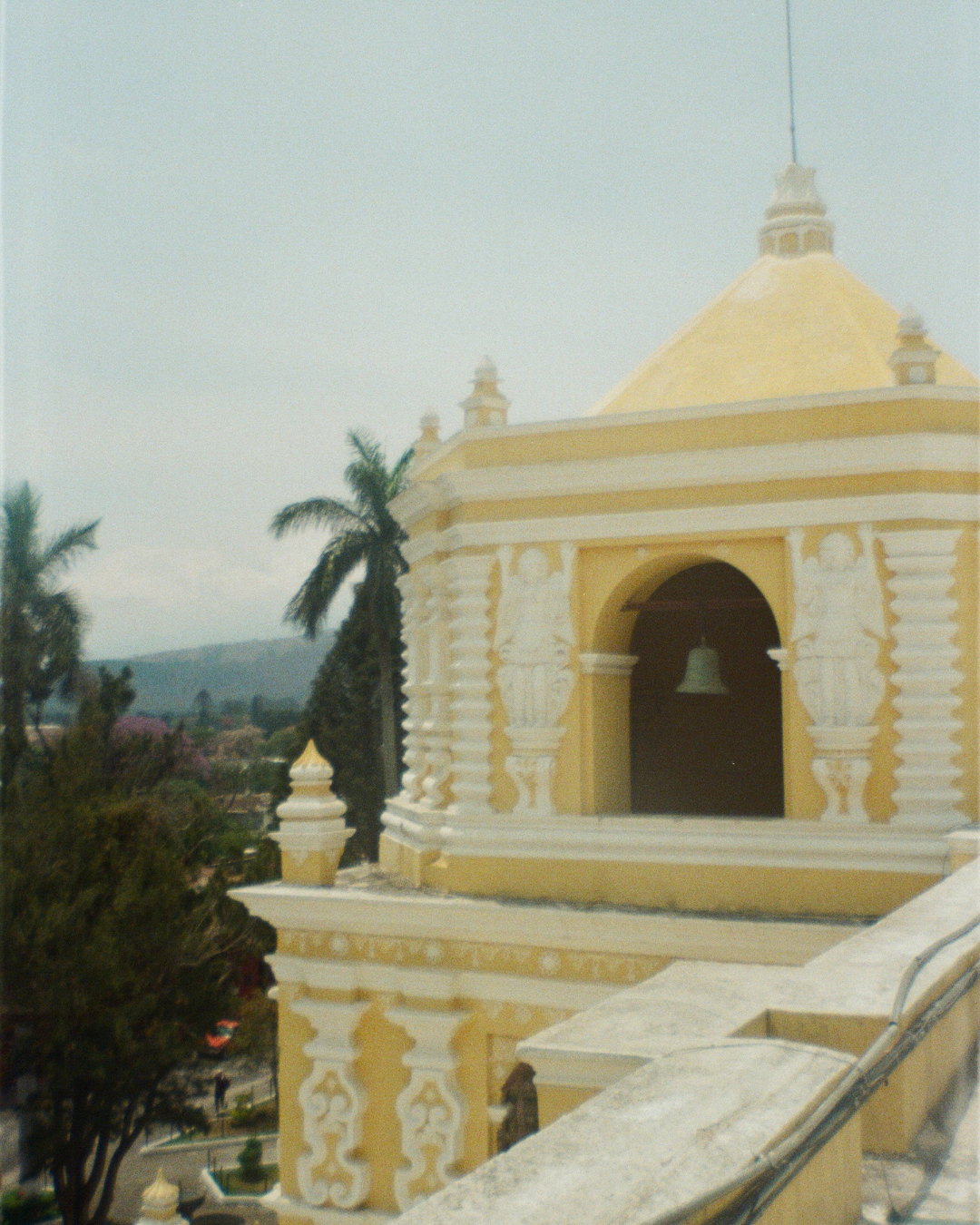
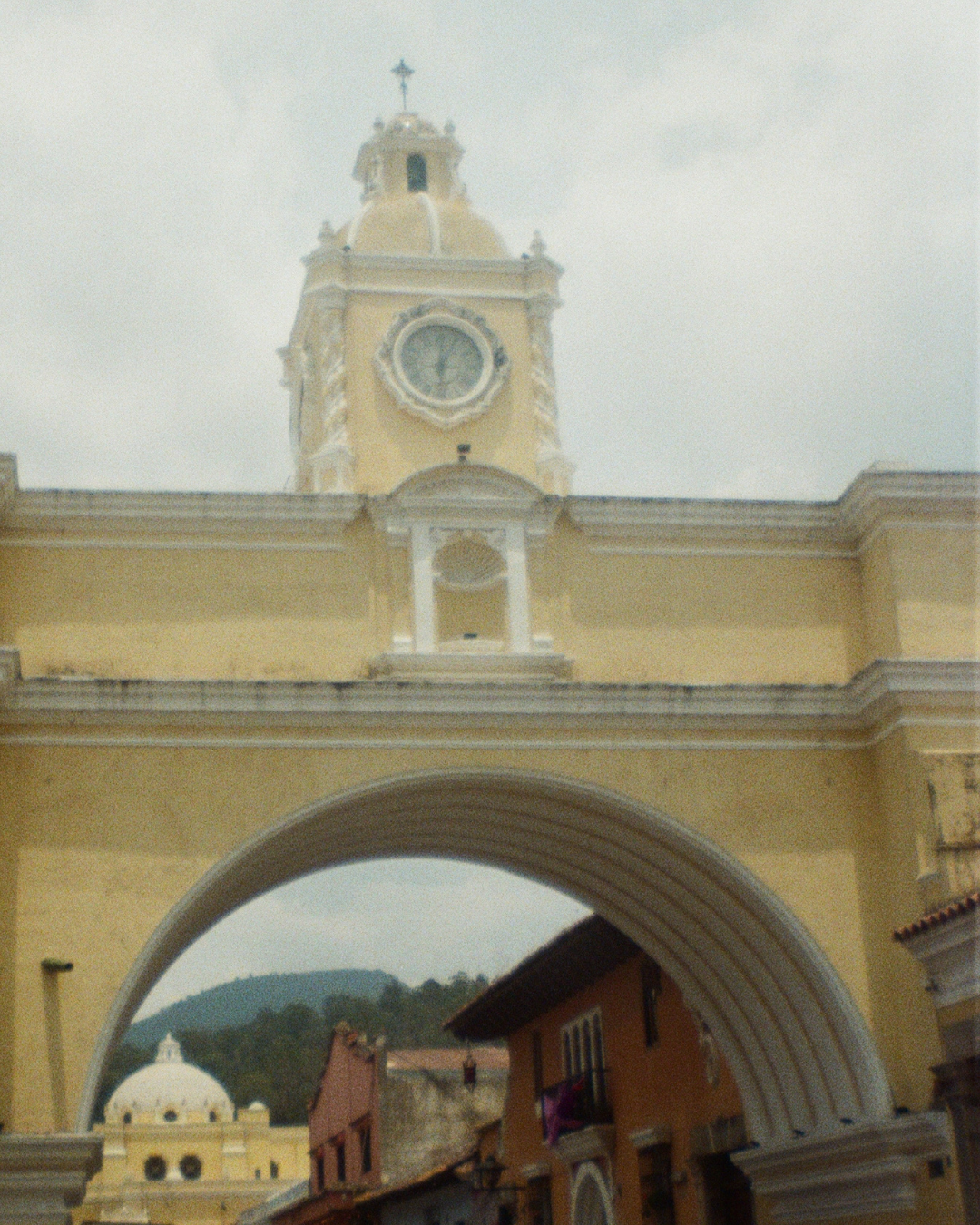
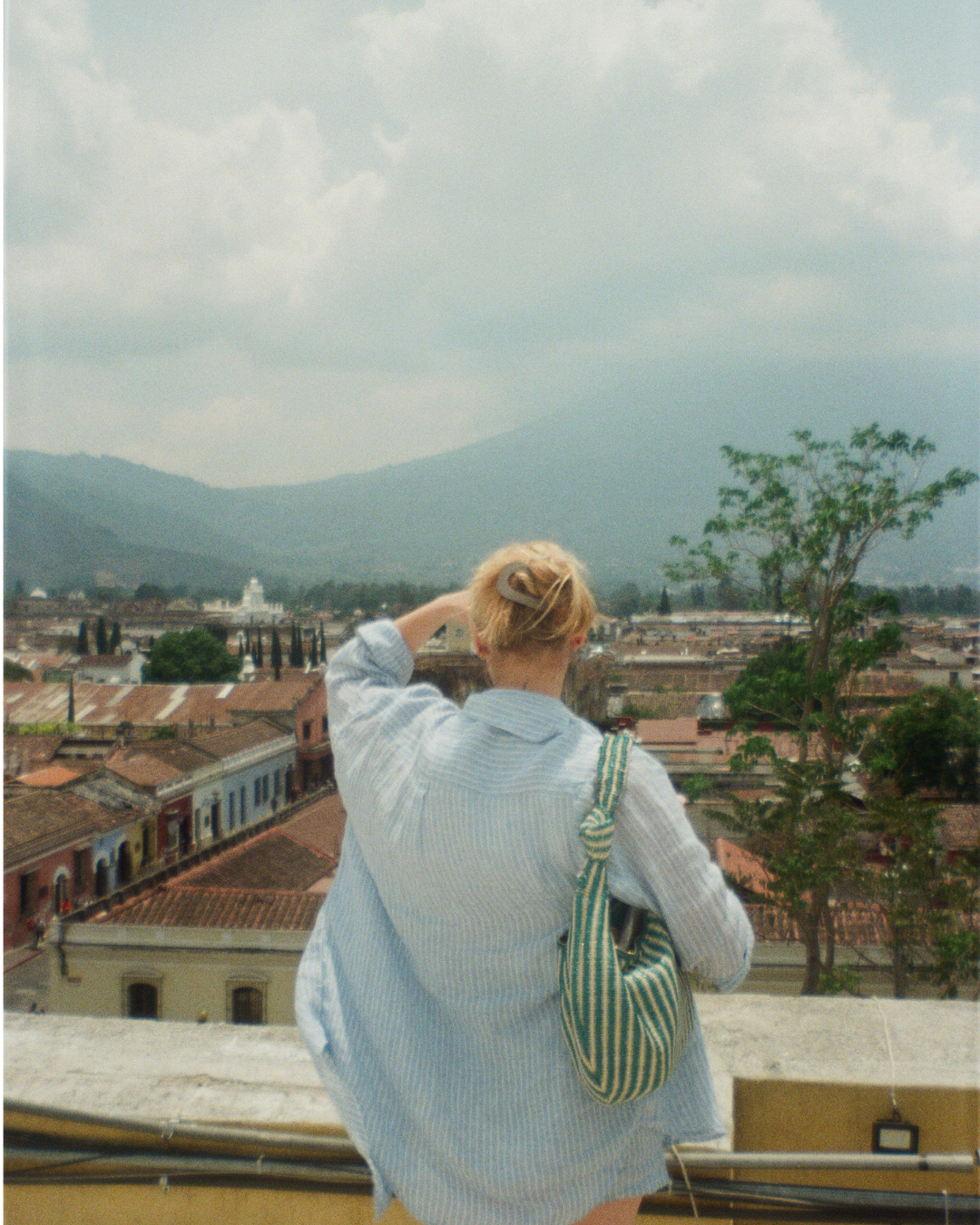
Photos are shot on 35mm film, on my plastic toy camera. Half of the roll got damaged from light exposure, but it created it's own kind of magic. Enjoy!
Our group of volunteers, ranging from ages 23 to 83, spent the week installing stoves and water filters for families in the rural region of Tecpán.
Each morning, we climbed into a couple of vans that wove through rolling green mountains, and small towns that buzzed with vibrantly dressed people. It wasn't uncommon to see women walking long stretches along the road with water jugs balanced on their head or firewood on their back.
Many of the families we served were sustenance farmers. Some grew additional delights for export: coffee, avocados, blackberries, flowers.
Each village greeted us with incredible warmth: offering dances, songs, flowers, baskets of fruit, and handmade gifts. The ability to have safe drinking water in the home and efficient stoves would cut hours of labor out of their day. They made sure we felt their gratitude.
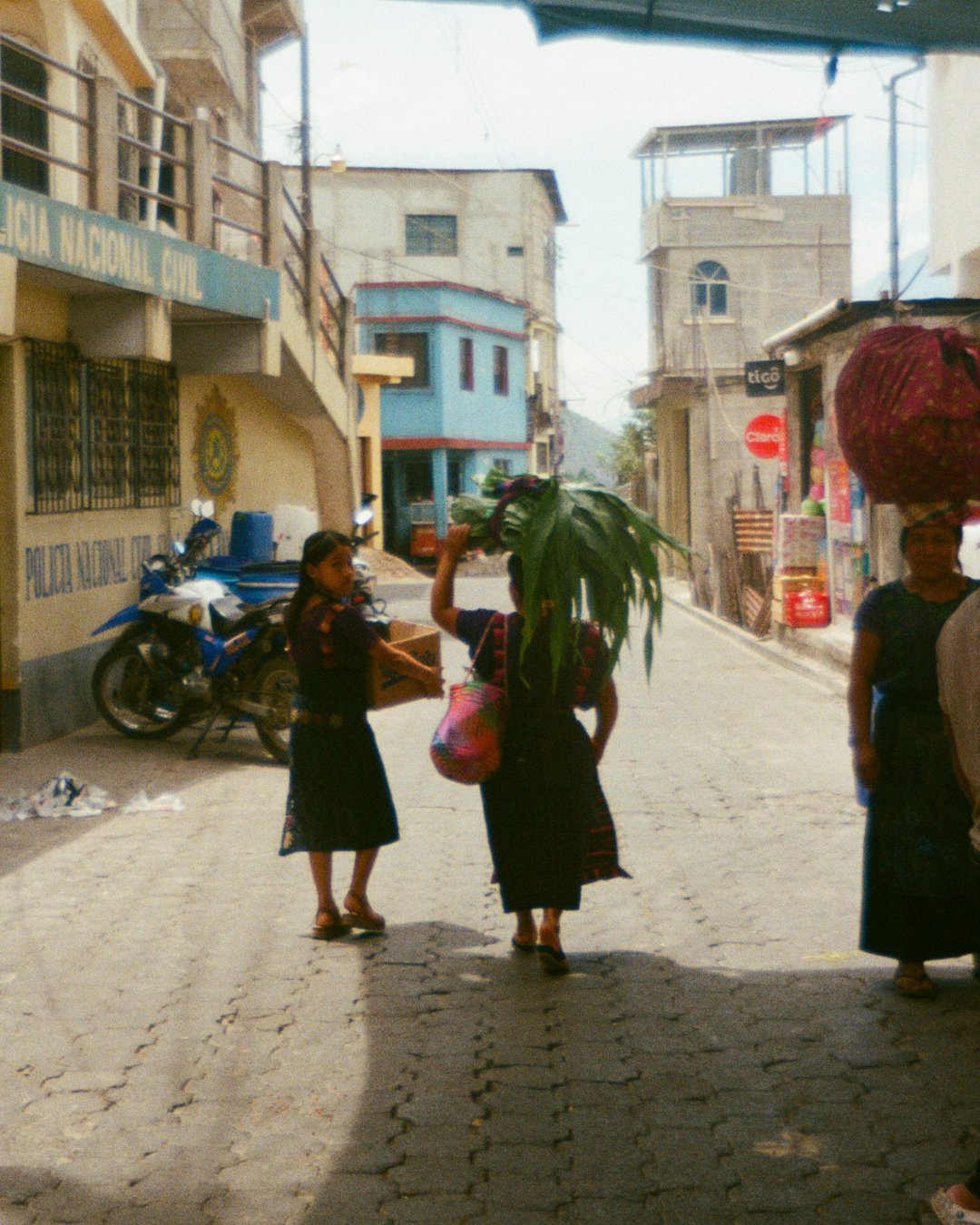
The differences from American life were obvious. Externally, resources were scarce.
Dirt floors were common. Many drank Coke instead of water because it was cheaper. Small beds were shared by many. Comfort, as we define it, was limited.
But in the heart, in the art, in the way people moved through their days—I felt a kind of wealth I rarely experience at home.
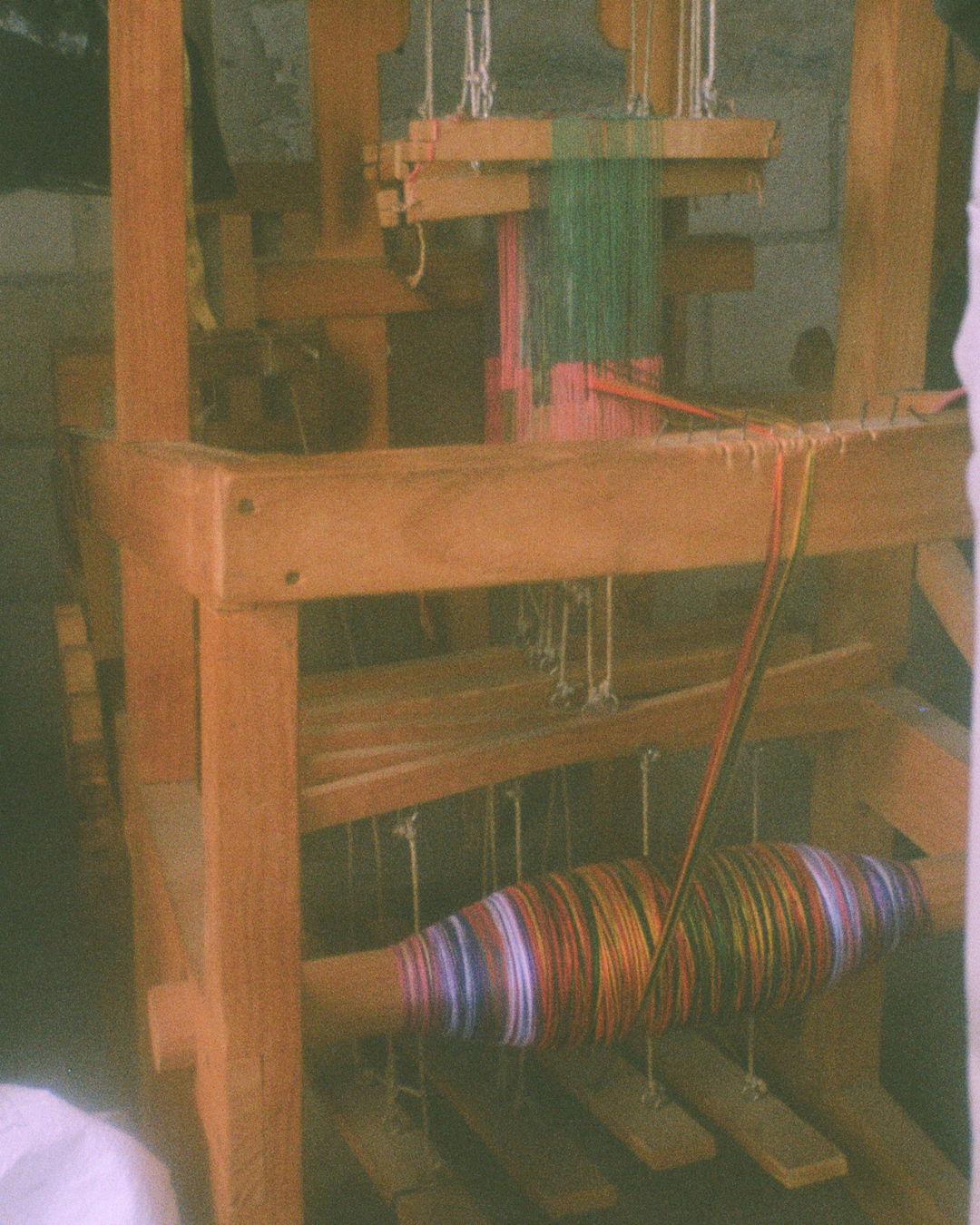
Each person was deeply present. Comfortable in their roles within family and community; oriented toward contribution. The mothers' and grandmothers' hands stayed busy: patting tortillas between their palms, rocking fussy babies, or stitching flowers into blouses they'd been working on for weeks. The men moved with humility and reverence.
The children were remarkably warm and open. A relaxed sense of joy was their baseline. It was easy to see they had no deficiency in love.
I could list a thousand small, sweet moments, but what stayed with me was the feeling of being among people who didn't question whether or not they belonged, or whether or not they were good enough.
In the U.S., we have extraordinary material comfort—and extraordinary internal discomfort.
To be with people who, materially, had so little, yet were fundamentally oriented toward how they could serve their families and communities was radically different from the culture I find myself steeped in…
…a culture where so much mental energy goes toward questions often invisible to asker:
How can I improve myself and my circumstances? How can I optimize my life? How can I be more productive, more popular, more attractive, more successful? What do I have to do to be the best?
This isn't a judgment from the outside. These are the questions my own mind has subconsciously obsessed over. It's how we were taught to think about ourselves in relation to the world.
These are wonderful questions to ask in moments. I value growth mindset and self-care deeply. But this note of self-obsession is taking over the whole song.
Somewhere along the way, our attention got hijacked. We became focused on perfecting our small worlds—our routines, our aesthetics, our finances, our physical and mental space—while losing touch with what's alive all around us.
It's more than just obsessively climbing social ladders, grasping for an extra zero to add onto one's income, or insisting on becoming the hottest person in any room.
I couldn't unsee the way even personal development can turn into a closed-loop echo chamber. Past a certain point, meditation becomes navel-gazing and self-care becomes selfish.
Personal growth tactics (whether materially or internally focused) have become convenient ways for us to disconnect from the outside world in the name of bettering oneself; avoidance and self-centeredness disguised as “healing”.
It took more than a month to feel settled after I returned from Guatemala. I kept telling friends, “I'm still trying to get back into my rhythm.”
Eventually, I realized I wasn't meant to return to my old rhythm. A new one was emerging.
The urgent drive to self-optimize my tiny little world was replaced with simple awe at how good things already were.
This shift in perspective freed up swaths of time and energy to answer the question that underpinned that new rhythm:
How can I take care of what I love?
Not only did it feel good to tire myself out day after day, doing physical labor for these Guatemalan families who deserve every blessing, I was also inspired by their posture of stewardship.
I learned that stewardship isn't self-erasure or martyrdom.
It's the remembering that your life, your creativity, your attention are meant to be shared in relationship; with people, with place, and with the planet.
As a creative human, dear reader, stewardship calls you to:
Bring your gifts forward with integrity
Protect what you love.
Let your expression nourish something beyond yourself.
Stay connected to this planet and its inhabitants that we are lucky to call neighbors.
We are only here on Earth for a brief moment.
We didn't come here to stay polished and protected.
We came here to be touched, shaped, humbled, and changed by what we encounter.
This requires emerging from the closed loop of perfecting one's own little world.
You don't need to be perfect or fixed or healed or financially free to go out and meet the world.
You can be flawed and help others.
You can be not as far along in your career as you wish and help others.
You can be stuck in your head and help others.
You can have a pimple on your nose, a soft belly, and lines between your brows and still give your heart to the world.
This is an invitation to step off the merry-go-round of self-improvement, and into stewardship.
I believe we are here to be a gift to life. Just as life offers gifts to us.
There is something precious in your heart. (Read that one more time, but really feel it this time).
And if we can lift our gaze up, beyond the bounds of ourselves, we can let life move through us.
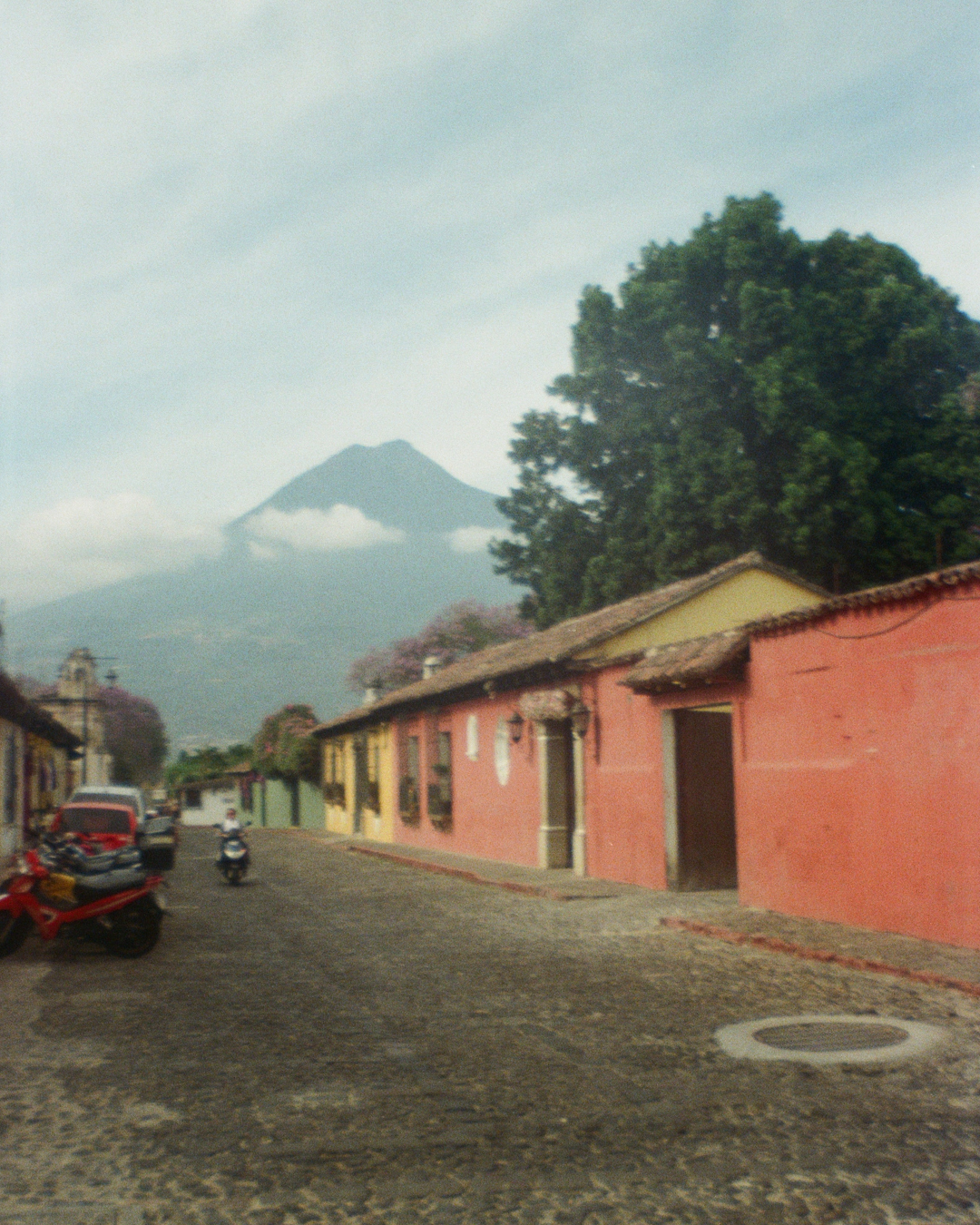
Travel Diaries: Quick stop in the charming, highly-volcanic town of Antigua on the way home.

P.S. Learn more about International Esperanza Project and donate to their efforts to strengthen communities in Latin America from the inside, out through creating lasting improvements to homes, healthcare, and education.